Hey there! I’m a supplier of steel strip processing machinery, and today I wanna chat about the lubrication requirements for this kind of machinery. Steel Strip Processing Machinery
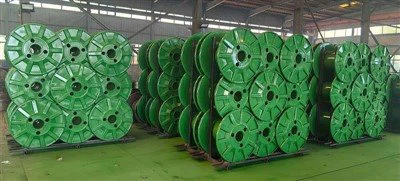
First off, let’s understand why lubrication is so crucial in steel strip processing machinery. Steel strip processing involves a lot of moving parts, like rollers, gears, and bearings. These parts rub against each other during operation. Without proper lubrication, the friction can cause excessive wear and tear, leading to breakdowns, reduced efficiency, and even safety hazards. Lubrication helps to reduce friction, dissipate heat, and prevent corrosion, which ultimately extends the lifespan of the machinery and ensures smooth and reliable operation.
Types of Lubricants
There are several types of lubricants that can be used in steel strip processing machinery, and each has its own characteristics and applications.
Mineral Oils
Mineral oils are one of the most commonly used lubricants in the industry. They’re relatively inexpensive and have good lubricating properties. Mineral oils can provide a protective film on the surfaces of moving parts, reducing friction and wear. They’re suitable for a wide range of operating conditions, including low to medium loads and speeds. However, they may not be as effective in high – temperature or high – pressure environments.
Synthetic Lubricants
Synthetic lubricants are designed to offer superior performance compared to mineral oils. They have better thermal stability, oxidation resistance, and viscosity index. This means they can maintain their lubricating properties over a wider range of temperatures and loads. Synthetic lubricants are ideal for high – speed and high – load applications, such as in modern high – performance steel strip processing lines. They can also reduce energy consumption because of their lower friction coefficients.
Greases
Greases are a semi – solid lubricant made by thickening a base oil with a thickening agent. They’re great for applications where a lubricant needs to stay in place, like in bearings or gears. Greases can provide long – term lubrication and protection against contaminants. They’re also useful in applications where there’s a risk of leakage, as they tend to stay put better than liquid lubricants.
Lubrication Requirements for Different Components
Rollers
Rollers are a key component in steel strip processing machinery. They come in contact with the steel strip and need to be well – lubricated to ensure smooth strip movement. For rollers, a lubricant with good anti – wear and anti – corrosion properties is essential. Mineral oils or synthetic lubricants can be used, depending on the operating conditions. In high – speed rolling operations, synthetic lubricants are often preferred because they can handle the high heat generated.
Gears
Gears are responsible for transmitting power in the machinery. They operate under high loads and require a lubricant that can withstand extreme pressure. Gear oils, which are specifically formulated for gears, are commonly used. These oils have additives that provide anti – wear, anti – oxidation, and anti – foaming properties. Synthetic gear oils are often used in modern steel strip processing machinery because of their superior performance.
Bearings
Bearings support the rotating parts of the machinery. They need a lubricant that can reduce friction and prevent metal – to – metal contact. Greases are often used for bearings because they can stay in place and provide long – term lubrication. The choice of grease depends on factors such as the bearing type, operating temperature, and speed. For high – speed bearings, a grease with a low – viscosity base oil and special additives may be required.
Lubrication System Design
A proper lubrication system is essential for ensuring that the machinery gets the right amount of lubricant at the right time. There are different types of lubrication systems, such as manual, semi – automatic, and fully automatic systems.
Manual Lubrication
Manual lubrication is the simplest form. It involves an operator applying lubricant to the machinery using a grease gun or a oil can. This method is suitable for small – scale operations or for components that don’t require frequent lubrication. However, it can be time – consuming and may not be very accurate.
Semi – Automatic Lubrication
Semi – automatic lubrication systems use a pump to deliver lubricant to the machinery at regular intervals. The operator still needs to monitor the system and refill the lubricant reservoir when necessary. This type of system is more efficient than manual lubrication and can ensure more consistent lubrication.
Fully Automatic Lubrication
Fully automatic lubrication systems are the most advanced. They use sensors and controllers to monitor the lubrication needs of the machinery and deliver the right amount of lubricant automatically. These systems can adjust the lubrication rate based on factors such as temperature, speed, and load. They’re ideal for large – scale steel strip processing operations where precision and reliability are crucial.
Maintenance and Monitoring
Proper maintenance and monitoring of the lubrication system are essential for the long – term performance of the steel strip processing machinery. Here are some key points:
Regular Inspections
Regularly inspect the lubricant levels and the condition of the lubrication system. Check for leaks, blockages, or signs of contamination. If the lubricant is dirty or has lost its properties, it should be replaced.
Oil Analysis
Oil analysis is a powerful tool for monitoring the condition of the lubricant and the machinery. By analyzing the oil, you can detect wear particles, contaminants, and changes in the lubricant’s properties. This can help you identify potential problems early and take preventive measures.
Training
Make sure your operators are properly trained in lubrication procedures. They should know how to use the lubrication system correctly, how to check the lubricant levels, and how to recognize signs of lubrication problems.
Conclusion
In conclusion, proper lubrication is vital for the efficient and reliable operation of steel strip processing machinery. By choosing the right lubricant, designing a proper lubrication system, and performing regular maintenance and monitoring, you can ensure that your machinery lasts longer, operates more smoothly, and produces high – quality steel strips.
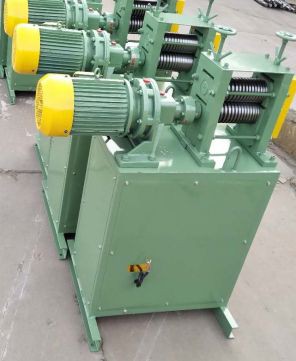
If you’re in the market for steel strip processing machinery or have any questions about lubrication requirements, I’d love to chat. Reach out to me, and we can have a detailed discussion about how to meet your specific needs.
Steel Strip Processing Machinery References
- Machinery Lubrication Handbook
- Steel Processing Industry Standards and Guidelines
Three Water Machinery Co., Ltd.
Three Water Machinery Co., Ltd. is one of the most reliable manufacturers and suppliers of steel strip processing machinery in China. With abundant experience, we warmly welcome you to buy advanced equipment for sale here and get quotation from our factory. Contact us for more details.
Address: No.15, Jiaye Road, Liuanzhuang Industrial Park, Beichen District, Tianjin, China
E-mail: sales@eqet.com
WebSite: https://www.eqet.com/
