If you’re running a grain processing line, you know the worst thing that can happen mid-season is botched drying. Get the moisture content (MC) wrong, and you’re either dealing with moldy, rotting grain that’s impossible to store, or over-dried grain that crumbles into dust during processing—both of which kill your profit and waste hours of work. As someone who’s supplied grain processing lines for over a decade, I’ve seen way too many growers and plant managers skip small, fixable steps that throw their MC off. This isn’t rocket science, but it does rely on nailing the basics, and I’m gonna break down exactly how to get it right. Grain Processing Line
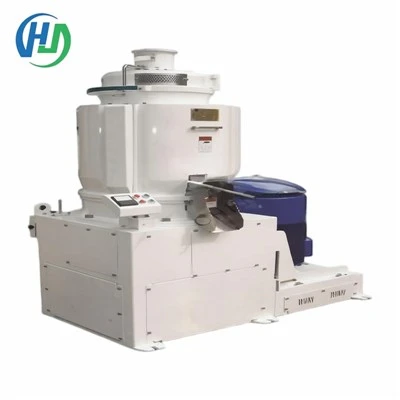
First, let’s start with the stuff most people sleep on: pre-drying inspection and prep. You can’t just dump wet corn, wheat, or soybeans into your dryer and hope for the best—grain doesn’t come uniform right off the combine. I’ve had clients bring in grain with MC ranging from 18% to 25% in the same load, just because some pods split in the field and others stayed closed. That inconsistency will drive your MC numbers nuts, no matter how fancy your dryer is. For example, last year a small family farm I work with tried to skip cleaning, and they ended up with 12% MC in the top bin and 16% in the bottom—so half their grain was too moist, half too dry, and they had to throw 20% of their harvest out.
Here’s what to do instead: Run a quick pre-dry screening. Most decent processing lines come with a vibrating screen that takes out straw, chaff, and broken kernels before they hit the dryer, but don’t just flip that switch and walk away. Tweak the screen gap to match your grain type—wheat needs a narrower gap than corn, for example, because corn kernels are bigger. Also, split loads if MC varies more than 2% in a single batch. If you get a load with 22% MC and another at 19%, don’t mix ’em. Smaller, uniform batches dry way more evenly than big, clunky ones, and you won’t have to second-guess your readings halfway through.
Next up: calibrate your moisture meters. This is another super common mistake. I’ve seen guys grab a $20 hand-held meter from the hardware store, plug in a random grain type, and call it a day—big no-no. Your meter’s only as good as its calibration, and that changes all the time, based on grain variety, temp, even how much debris is in the sample. A lot of new grain processors don’t realize: the same meter will give a different reading for hard red winter wheat vs. soft white wheat, even if both are at 15% MC.
How to fix this? First, use your meter’s built-in calibration settings, but test it with a reference sample too. Once a week, grab 2 pounds of grain, dry it in an oven at 130°F for 24 hours (that’s the official grain industry standard), weigh it before and after, and calculate the actual MC. If your meter’s reading is off by more than 0.5%, adjust the calibration. And for the love of all things grain, don’t test samples right after loading them—let them sit for 10 minutes at room temp, because warm grain straight from the combine will throw the meter’s sensor off. I had a client last season who missed that step and spent three days re-drying 1,000 bushels, all because his meter read 1% too high on hot grain.
Now, let’s talk about the dryer itself—this is the main event, and where most control happens. A lot of processors run their dryer on “auto-pilot” but that’s a disaster. Each grain type has a sweet spot for drying temp and airflow, and skipping that will mess up your MC. Let’s break it down by grain: Corn can handle up to 110°F drying temp, but if you run it hotter than that, you’ll crack the kernels, and they’ll break during milling. Wheat maxes out at 105°F, and soybeans at 100°F—heat those any higher, and you get discolored grain that sells for 30% less.
Airflow is just as important as temp. If your dryer has fans that are too weak, you’ll get “hot spots” where grain dries too fast around the edges and stays moist in the center. I always tell clients to check airflow once a batch is halfway dry—pull a small sample from the middle of the dryer bed, not just the top. If that sample’s MC is still 2% higher than the edges, crank the fan speed a little, or check if the vent is clogged with debris. Also, don’t dry grain too fast. The rule of thumb for most grains is 1% MC reduction per hour, max. If you go faster than that, the outer layers harden and trap moisture inside, leading to mold later. I once worked with a big commercial mill that tried to dry corn at 2% per hour, and they ended up with 15% of their crop rotting in storage six weeks later.
Wait, and what about post-drying cooling? That’s a step a lot of people skip, but it’s critical. Right after you take grain out of the dryer, it’s warm—like 120°F—so if you put it straight into bins, the trapped moisture from drying will condense on the cold bin walls, and boom, mold. Here’s the fix: Build a cooling section into your processing line (most good lines come with this, but if yours doesn’t, add a portable one for small batches). Let grain cool to within 5°F of ambient temp before storing. For a batch of 500 bushels, that takes about 8 hours—don’t rush it. I’ve seen a guy skip cooling, and his 2022 wheat harvest was ruined, cost him $15k in losses. He swore he’d never skip that step again.
Then there’s storage monitoring—because controlling MC doesn’t stop when grain hits the bin. Even if you nail the drying process, bad storage will mess it up. Invest in a bin moisture probe—they’re not that expensive, and they let you check MC deep in the bin, not just the top layer. Check probes every two weeks during the first month of storage, then once a month after that. If you spot a spot with MC over 14% (the safe storage number for most grains), aerate that area immediately. Also, keep the bin vents clear—clogged vents trap humidity, which builds up MC.
Let me throw in a quick story to drive this home. A few years back, a client came to me panicking—his drying process was all over the place, he was losing 10% of every harvest, and he was convinced his dryer was broken. I went out to his farm, did a walkthrough, and found three main issues: 1) he was mixing different MC loads, 2) his moisture meter was uncalibrated, 3) he was skipping the cooling step. We fixed all three in a day, and by harvest season the next year, his MC stayed right at 13-14% the whole time. He ended up saving almost $20k that season, just from getting those basics right.
I know it’s easy to get overwhelmed with all the small steps, but here’s the thing: controlling grain MC isn’t about having the fanciest, most expensive dryer. It’s about the little things—calibrating your meter, splitting loads, not rushing cooling, checking those probes. As a grain processing line supplier, I build lines that make this easier, not harder. If you’re dealing with wonky MC, or your current line isn’t letting you hit those numbers consistently, we can walk through your setup, point out where the gaps are, and tweak things so you don’t have to worry about mold, spoiled grain, or lost profit.
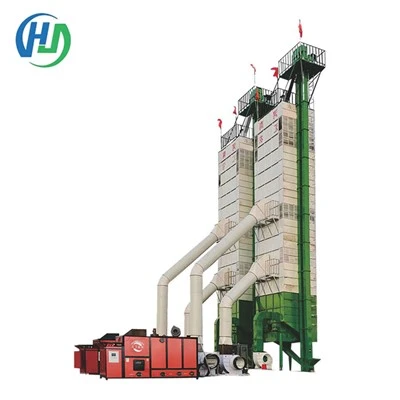
If you’re ready to stop guessing and start getting consistent moisture content on every batch, reach out to us for a no-pressure chat. We can go over your current setup, share some specific tips for your grain type, and figure out what adjustments will work for your processing line. Don’t let bad MC ruin your harvest this season—let’s get it right together.
Grain Dryer References:
- USDA Agricultural Marketing Service. Grain Drying and Storage Guide. 2021.
- ASABE Standard S410. Moisture Measurement of Grains and Seeds. 2022.
- University of Illinois Extension. Managing Grain Moisture During Drying and Storage. 2020.
Henan Huinong Machinery Co., Ltd.
Henan Huinong Machinery Co., Ltd. is one of the most professional grain processing line manufacturers and suppliers in China, featured by quality products and low price. Please rest assured to buy discount grain processing line from our factory. We also accept customized orders.
Address: No. 6, Northeast Corner of the Intersection of Renmin Road and Zhujiang Road, New District, Huaxian County, Henan Province
E-mail: frank.tang@huinongmachinery.com
WebSite: https://www.huinongmachinery.com/
