What is the detection limit of a portable water quality analyzer? That’s a question I get asked a lot as a supplier of these nifty devices. Let me break it down for you in plain English. Portable Water Quality Analyzer
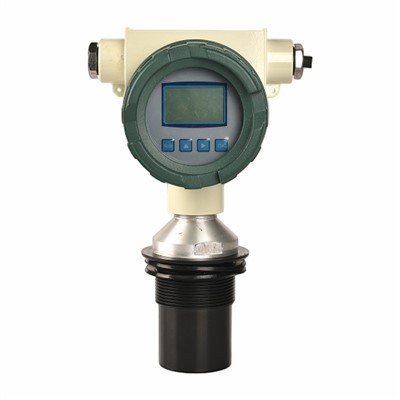
First off, the detection limit is basically the lowest amount of a particular substance in water that our portable water quality analyzer can accurately detect. It’s like the super – power of the analyzer, telling us just how good it is at sniffing out those tiny contaminants.
Let’s talk about why the detection limit matters. Think about it. If you’re using our portable water quality analyzer to check for substances like heavy metals or harmful chemicals in water, and its detection limit is too high, you might miss out on some pretty dangerous stuff. For example, lead is a major concern in drinking water. Even in very small amounts, it can cause serious health problems, especially for kids and pregnant women. If our analyzer can’t detect low levels of lead, well, that’s a big problem.
So, how do we determine the detection limit of our portable water quality analyzers? It’s not as simple as just turning on the machine and seeing what it can find. There’s a whole process involved.
We start by preparing a series of water samples with known, very low concentrations of the substance we want to detect. Then, we run these samples through the analyzer multiple times. We look at the results and figure out the lowest concentration where the analyzer can consistently tell that the substance is there. This is a bit of trial and error, but we’ve got a great team of scientists who are really good at it.
Now, different substances have different detection limits. For common things like pH levels, our portable water quality analyzer can detect very subtle changes. The detection limit for pH is usually around 0.01 units. That means we can tell if the water is just a tiny bit more acidic or basic than normal.
When it comes to things like dissolved oxygen, our analyzer is also pretty sensitive. It can detect dissolved oxygen levels down to about 0.01 mg/L. This is super important because fish and other aquatic life need a certain amount of dissolved oxygen to survive. So, if you’re a fisherman or a water conservationist, you can use our analyzer to make sure the water in a lake or river has enough oxygen for the critters living there.
But let’s get to the more challenging substances, like pesticides and heavy metals. The detection limits for these are a bit higher, mainly because they’re much harder to detect in small amounts. For pesticides, our analyzer can usually detect them at the microgram – per – liter level. For heavy metals like mercury or cadmium, the detection limit might be a few micrograms per liter as well.
Why are these detection limits important for you? Well, if you’re in a business that involves water quality monitoring – such as a water treatment plant, a food and beverage company, or an environmental consulting firm – you need to know that our portable water quality analyzer can give you accurate results. You need to be able to trust that it can detect even the smallest amounts of contaminants so that you can take the right actions to keep the water safe.
Let’s say you’re running a water treatment plant. You take in water from a river or a reservoir, and you need to make sure it’s clean and safe to drink. Our portable water quality analyzer can help you test the water at different stages of the treatment process. If it detects contaminants above the safe limit, you can adjust your treatment methods accordingly.
Now, I know some of you might be thinking, "Are these detection limits good enough?" Well, I can tell you that our team is constantly working to improve them. We’re always looking for better technologies and more sensitive sensors to make our portable water quality analyzers even more powerful.
We’re also aware of the different regulations and standards out there. Different countries and regions have their own rules about what levels of contaminants are allowed in water. Our analyzers are designed to meet or exceed these standards, so you can be confident that you’re in compliance.
Another thing to keep in mind is that the detection limit is just one aspect of the performance of our portable water quality analyzer. We also pay a lot of attention to other factors like accuracy, precision, and ease of use.
Accuracy means that the results our analyzer gives you are close to the actual values. We’ve done a lot of testing and calibration to make sure our analyzers are as accurate as possible. Precision is about how consistent the results are. If you run the same sample through the analyzer multiple times, you should get very similar results.
And ease of use? That’s a big deal for us. We know that not everyone using our portable water quality analyzer is a trained scientist. So, we’ve designed it to be user – friendly. You can just turn it on, dip it in the water, and get the results in a matter of seconds. The display is easy to read, and the controls are simple to operate.
So, if you’re in the market for a portable water quality analyzer, you should definitely consider ours. We’ve got a great product with good detection limits, high accuracy and precision, and it’s really easy to use. Whether you’re a professional in the water industry or just someone who wants to check the quality of your home drinking water, our analyzer is a great choice.
And if you’re interested in learning more or making a purchase, don’t hesitate to reach out. Our team is here to answer any questions you might have and to help you choose the right analyzer for your needs. We can also give you more details about the detection limits and other performance features.
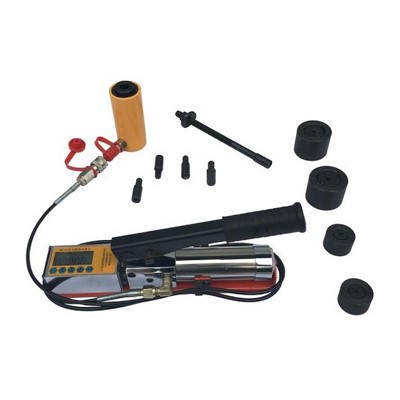
So, come and talk to us about starting a partnership. We’re confident that our portable water quality analyzer will meet your expectations and help you keep the water in your area safe and clean.
Submersible Level Meter References
- Standard Methods for the Examination of Water and Wastewater. American Public Health Association, American Water Works Association, Water Environment Federation.
- Handbook of Analytical Chemistry. Daniel C. Harris.
Dalian Yheng Technology Co., Ltd.
Address: F1605, NO.10 Huoju road, High-tech Industrial Zone, Dalian, China
E-mail: admin@dlyheng.com
WebSite: https://www.yhengphmeter.com/
