As a supplier of the best USB headsets, I often get asked a crucial question by musicians, podcasters, and audio enthusiasts alike: "Can I use the best USB headset for live music recording?" This query delves deep into the heart of audio technology, and I’m excited to share my insights based on years of experience in the industry. Best USB Headset

Understanding the Technology Behind USB Headsets
To answer this question comprehensively, we first need to understand what makes a USB headset unique. A USB headset is a plug – and – play device that connects directly to your computer or other compatible devices via a USB port. Unlike traditional audio interfaces that require additional software and complex setup, USB headsets are incredibly user – friendly.
The best USB headsets are equipped with high – quality microphones and audio processing chips. These microphones are designed to capture sound accurately and reproduce it with minimal distortion. The audio processing chips, on the other hand, enhance the sound quality by reducing background noise, adjusting the frequency response, and providing a balanced audio output.
Advantages of Using a USB Headset for Live Music Recording
1. Ease of Use
One of the most significant advantages of using a USB headset for live music recording is its simplicity. You don’t need to be an audio engineer to set it up. All you have to do is plug the headset into your computer, and you’re ready to start recording. This is especially beneficial for beginners who are just starting out in the world of music recording.
2. Portability
USB headsets are highly portable. You can easily take them with you to different recording locations, whether it’s a small home studio, a live gig, or a remote outdoor setup. Their compact size and lightweight design make them ideal for on – the – go recording.
3. Cost – Effectiveness
Compared to traditional audio recording setups that can cost thousands of dollars, the best USB headsets offer a cost – effective alternative. They provide good quality audio at a fraction of the price, making them accessible to independent musicians and small – scale recording projects.
4. Built – in Noise Cancellation
Most high – end USB headsets come with built – in noise cancellation technology. This feature is invaluable for live music recording, as it helps to isolate the sound source from ambient noise. Whether you’re recording in a noisy environment or trying to capture the pure sound of an instrument, noise cancellation ensures that your recordings are clean and professional.
Limitations of Using a USB Headset for Live Music Recording
1. Limited Frequency Response
While USB headsets are designed to provide good overall sound quality, they may have limitations in terms of frequency response. Professional audio recording equipment is often capable of capturing a wider range of frequencies, which is essential for accurately reproducing the rich tones and nuances of live music. USB headsets may not be able to capture the full spectrum of frequencies, resulting in a somewhat flattened sound.
2. Mono Recording
Many USB headsets are designed for mono recording, which means they capture sound from a single perspective. In live music recording, stereo recording is often preferred as it provides a more immersive and realistic listening experience. Mono recordings may lack the depth and spatial feel that stereo recordings offer.
3. Long – Term Durability
In high – pressure live music recording scenarios, the constant movement and handling of equipment can take a toll on USB headsets. Some models may not be as durable as professional audio gear, which is built to withstand the rigors of frequent use in various environments. This could lead to a shorter lifespan for the headset and potentially more frequent replacements.
Ideal Scenarios for Using a USB Headset in Live Music Recording
1. Solo Performances and Home Recording
For solo musicians or those recording in a home studio environment, a USB headset can be a great option. It allows you to quickly set up and start recording your vocals or instrument. Whether you’re writing a new song, practicing, or creating demos, the ease of use and portability of a USB headset make it a convenient choice.
2. Podcasts and Interviews
In the context of podcasts and interviews, USB headsets are highly effective. They can provide clear audio for the host and guests, even in a less – than – ideal recording environment. The built – in noise cancellation helps to eliminate background distractions, ensuring that the focus remains on the conversation.
3. Live Streaming
With the rise of live streaming platforms, many musicians are using USB headsets to broadcast their live performances. The simplicity of setup and the ability to connect directly to a computer make USB headsets a popular choice for live streamers. They can capture the sound of the performance and transmit it to the audience in real – time.
Tips for Getting the Best Results with a USB Headset in Live Music Recording
1. Choose the Right Headset
When selecting a USB headset for live music recording, look for models with high – quality microphones, good frequency response, and effective noise cancellation. Read reviews and compare different products to find the one that best suits your needs and budget.
2. Position the Microphone Correctly
The position of the microphone can significantly affect the quality of your recordings. For vocals, position the microphone about 2 – 3 inches away from your mouth at a slight angle. For instrument recording, experiment with different positions to find the one that captures the best sound.
3. Use Acoustic Treatment
If possible, use acoustic treatment in your recording environment. This can include using acoustic panels, bass traps, and diffusers to reduce reflections and improve the overall sound quality. Even in a small space, a few simple acoustic treatments can make a big difference.
4. Monitor Your Recording
Always monitor your recording in real – time to ensure that the sound is balanced and free of distortion. Use headphones to listen to the recording and make adjustments as needed.
Conclusion
So, can you use the best USB headset for live music recording? The answer is yes, with some caveats. USB headsets offer a convenient, cost – effective, and user – friendly solution for many live music recording scenarios, especially for beginners, solo artists, podcasters, and live streamers. However, they do have limitations in terms of frequency response, stereo recording, and long – term durability compared to professional audio equipment.
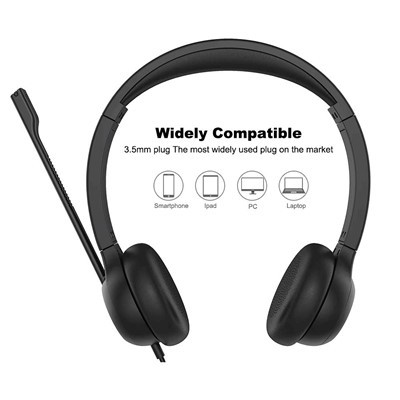
3.5 mm Headsets If you’re looking for a reliable and high – quality USB headset for your live music recording needs, I invite you to reach out to us. We are committed to providing the best USB headsets on the market, backed by our expertise and excellent customer service. Whether you’re a budding musician or an experienced audio professional, we can help you find the perfect headset for your project. Contact us to start a discussion about your requirements and explore our range of products.
References
- "Audio Engineering Handbook" by Glen Ballou
- "The Mixing Engineer’s Handbook" by Bobby Owsinski
- Industry reports on USB headset technology and audio recording trends
Huizhou Boxin Electronics Co., Ltd.
We’re well-known as one of the leading best usb headset manufacturers and suppliers in China since 1989, also support customized service. With abundant experience, we warmly welcome you to wholesale high quality best usb headset made in China here from our factory.
Address: No.01, 7/F, 5#, Factory 5# and 6#, Phase l, Lechuangcheng, No.8, Renluo 6th Road, Shuikou Street, Huicheng Distriet, Huizhou City, Guangdong Province, P. R. China.
E-mail: Info@ucheadset.com
WebSite: https://www.boxinheadsets.com/
