Selecting the right extrusion machine is a critical decision for businesses involved in plastic, rubber, food, or other extrusion processes. As a seasoned extrusion machine supplier, I’ve witnessed firsthand the impact that a well – chosen machine can have on a company’s productivity, product quality, and bottom line. In this blog, I’ll share insights on how to choose an extrusion machine that meets your specific needs. Extrusion Machine
Understanding Your Extrusion Requirements
The first step in choosing an extrusion machine is to have a clear understanding of your production requirements. This includes the type of material you will be extruding, the desired output rate, the complexity of the product, and the level of precision needed.
Material Compatibility
Different materials have different properties and require specific processing conditions. For example, plastics such as polyethylene, polypropylene, and PVC have varying melting points, viscosities, and chemical compositions. Some materials may be more abrasive, which can cause wear on the machine components, while others may be more heat – sensitive and require precise temperature control.
When considering material compatibility, it’s important to ensure that the extrusion machine is designed to handle the specific material you plan to use. This may involve choosing a machine with the appropriate screw design, barrel construction, and heating and cooling systems.
Output Rate
The output rate of an extrusion machine is a crucial factor, especially for high – volume production. It is typically measured in kilograms per hour (kg/h) or pounds per hour (lb/h). To determine the required output rate, you need to consider your production goals, market demand, and the capacity of your downstream processing equipment.
If your production volume is expected to increase in the future, it may be wise to choose a machine with a higher output capacity than your current needs. However, this also needs to be balanced with the cost of the machine, as higher – capacity machines are generally more expensive.
Product Complexity and Precision
The complexity and precision requirements of your product will also influence your choice of extrusion machine. Simple products, such as pipes or sheets, may require a basic extrusion setup, while more complex products, such as profiles with intricate shapes or multi – layer structures, may need a more advanced machine with additional features.
Precision is crucial for products that have tight dimensional tolerances. For example, in the medical or automotive industries, even small deviations in product dimensions can lead to performance issues or safety concerns. To achieve high precision, you may need a machine with advanced control systems, such as servo – driven motors and closed – loop feedback systems.
Key Components of an Extrusion Machine
An extrusion machine consists of several key components, each of which plays a vital role in the extrusion process. Understanding these components and their functions can help you make an informed decision when choosing a machine.
Screw
The screw is the heart of the extrusion machine. It is responsible for conveying, melting, mixing, and pressurizing the material. The design of the screw, including its diameter, length, pitch, and flight depth, can significantly affect the performance of the machine.
For example, a longer screw can provide more residence time for the material, which is beneficial for melting and mixing. However, it also requires more power to drive. The pitch of the screw can be adjusted to control the conveying speed of the material, and the flight depth can be varied to optimize the melting and mixing process.
Barrel
The barrel houses the screw and provides the heating and cooling necessary for the extrusion process. It is typically made of high – strength steel and is lined with a wear – resistant material to withstand the abrasive action of the material.
The barrel is divided into several heating zones, each of which can be independently controlled to maintain the desired temperature profile. This is important for ensuring uniform melting and processing of the material. Additionally, the barrel may have cooling systems, such as water jackets, to prevent overheating and control the temperature of the material.
Die
The die is the final component in the extrusion process. It shapes the molten material into the desired product form, such as a pipe, sheet, or profile. The design of the die is critical for achieving the desired product dimensions and quality.
A well – designed die will ensure uniform flow of the material, minimize pressure drop, and prevent defects such as weld lines or melt fractures. Custom – designed dies may be required for complex products or specific applications.
Heating and Cooling Systems
Proper temperature control is essential for the extrusion process. Heating systems, such as electric heaters or cartridge heaters, are used to melt the material in the barrel. Cooling systems, on the other hand, are used to solidify the extruded product and prevent overheating of the machine components.
The choice of heating and cooling systems will depend on the type of material, the output rate, and the specific requirements of the extrusion process. For example, some materials may require rapid cooling to achieve the desired properties, while others may need a more gradual cooling process.
Machine Performance and Features
In addition to understanding your requirements and the key components of the machine, it’s also important to evaluate the performance and features of different extrusion machines.
Power Efficiency
Power consumption is a significant operating cost for extrusion machines. Therefore, it’s important to choose a machine that is energy – efficient. This can be achieved through the use of high – efficiency motors, optimized screw designs, and advanced control systems.
An energy – efficient machine not only reduces operating costs but also has a lower environmental impact. Look for machines that have been designed to minimize energy consumption without sacrificing performance.
Automation and Control
Automation and control systems can improve the efficiency and productivity of the extrusion process. Modern extrusion machines are often equipped with advanced control systems that allow for precise control of process parameters, such as temperature, pressure, and speed.
These systems can also provide real – time monitoring and feedback, allowing operators to detect and correct any issues quickly. Additionally, automation can reduce the need for manual labor, improve product consistency, and increase overall productivity.
Maintenance and Serviceability
Regular maintenance is essential for ensuring the long – term performance and reliability of an extrusion machine. When choosing a machine, consider its maintenance requirements and serviceability.
A machine with easy – to – access components and clear maintenance instructions will be easier and more cost – effective to maintain. Additionally, look for a supplier that offers comprehensive after – sales service, including technical support, spare parts availability, and training.
Supplier Reputation and Support
The reputation and support of the extrusion machine supplier are also important factors to consider. A reliable supplier will not only provide high – quality machines but also offer excellent customer service and technical support.
Reputation
Research the reputation of the supplier by reading customer reviews, testimonials, and case studies. Look for a supplier that has a proven track record of delivering high – quality machines and excellent customer service.
You can also ask for references from the supplier and contact other customers to get their feedback on the machine’s performance, reliability, and the supplier’s support.
Technical Support
Technical support is crucial for ensuring the proper operation and maintenance of the extrusion machine. A good supplier will offer comprehensive technical support, including installation assistance, training, troubleshooting, and remote monitoring.
Make sure that the supplier has a team of experienced technicians who are available to provide support when needed. Additionally, check if the supplier offers training programs for your operators to ensure that they can operate the machine safely and efficiently.
Spare Parts Availability
Spare parts availability is another important consideration. In the event of a machine breakdown, you need to be able to obtain the necessary spare parts quickly to minimize downtime.
Choose a supplier that has a well – stocked inventory of spare parts and a reliable supply chain. This will ensure that you can get the parts you need when you need them.
Conclusion
Choosing the right extrusion machine is a complex decision that requires careful consideration of your production requirements, the key components of the machine, its performance and features, and the reputation and support of the supplier.
As a trusted extrusion machine supplier, we are committed to helping you find the perfect machine for your needs. Our team of experts can work with you to understand your requirements, recommend the most suitable machine, and provide comprehensive after – sales support.
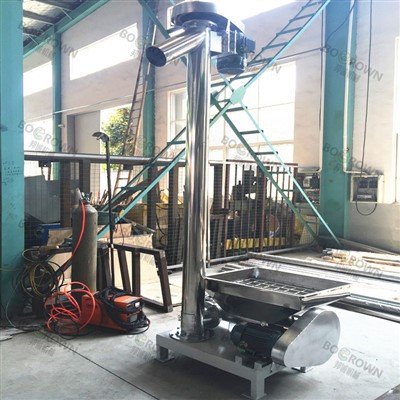
PE Centralized Feeding System If you’re in the market for an extrusion machine, we invite you to contact us to discuss your needs and explore how our products can help you achieve your production goals. We look forward to the opportunity to work with you and contribute to the success of your business.
References
- "Extrusion of Polymers: Theory and Practice" by Christopher Rauwendaal
- "Handbook of Plastic Extrusion Technology" by James F. Carley
- Industry – specific trade journals and publications related to extrusion processes
ZJG BC Machinery Co., Ltd.
As one of the most professional extrusion machine manufacturers and suppliers in China, we’re featured by quality products and good price. Please rest assured to buy cost-efficient extrusion machine for sale here from our factory. Contact us for custom service and OEM service.
Address: No.8 Lexi Road, Leyu Town, Zhangjiagang City
E-mail: sales@bcextruder.com
WebSite: https://www.bcextruder.com/
