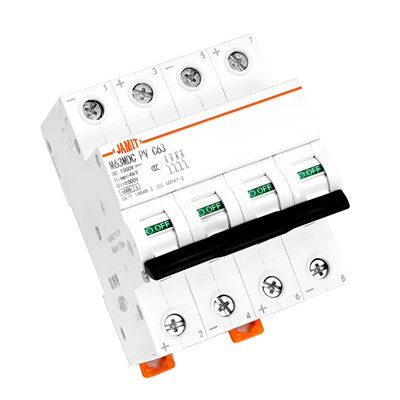
A basement often presents itself as an attractive option for the installation of a circuit breaker panel. As a supplier of Circuit Breaker Panels, I’ve been involved in numerous discussions where customers question the suitability of a basement for housing their electrical panels. This blog aims to comprehensively explore whether a circuit breaker panel can indeed be installed in a basement, weighing the pros and cons, and providing relevant guidelines. Circuit Breaker Panel
Advantages of Installing a Circuit Breaker Panel in a Basement
Space Availability
Basements typically offer more space compared to other areas in a building. This extra room is highly beneficial when installing a circuit breaker panel. With sufficient space around the panel, electricians can work comfortably during installation, maintenance, and repairs. Moreover, it allows for potential future expansions. If a homeowner or business owner decides to add more electrical circuits in the future, there will be enough physical space in the basement to accommodate additional breakers or even upgrade to a larger panel.
Safety and Isolation
A basement can act as a natural barrier, isolating the circuit breaker panel from high – traffic areas in the main living or working spaces. This reduces the risk of accidental damage or interference from people, especially in a busy household or a commercial environment. Children are less likely to come into contact with the panel, keeping them safe from potential electrical hazards. Additionally, in the event of an electrical fault or a small fire in the panel, the basement’s relative isolation can prevent the spread of fire and smoke to the rest of the building.
Noise and Temperature Control
Circuit breaker panels can produce a certain amount of noise during normal operation, especially when large electrical loads are switching on and off. The basement, often separate from the main living areas, can help to contain this noise. Furthermore, the basement usually has a relatively stable temperature environment compared to the upper floors. Most circuit breaker panels operate more efficiently within a specific temperature range. The cooler and more consistent temperature in a basement can help maintain the performance and longevity of the panel.
Disadvantages of Installing a Circuit Breaker Panel in a Basement
Moisture and Flooding Risks
One of the most significant concerns when installing a circuit breaker panel in a basement is the risk of moisture and flooding. Basements are more prone to water seepage due to their below – ground location. Moisture can cause corrosion to the electrical components in the panel, leading to malfunctions, short circuits, and potentially dangerous electrical situations. Flooding can completely submerge the panel, causing a total failure and posing a serious safety hazard. Even a small amount of water contact with live electrical parts can result in electrocution.
Accessibility Issues
While the isolation of the basement can be an advantage in terms of safety, it can also be a drawback when it comes to accessibility. In an emergency, such as a power outage or a tripped breaker, accessing the panel quickly is crucial. If the basement is difficult to reach, for example, if it is cluttered with storage items or requires navigating through a narrow or dark staircase, it can delay the process of restoring power and addressing electrical issues.
Compliance with Building Codes
Building codes and regulations play a vital role in electrical panel installation. Many local building codes have strict requirements regarding the location of circuit breaker panels. Some codes may restrict or prohibit the installation of panels in basements that are prone to flooding or have inadequate ventilation. Electricians and building inspectors need to ensure that the installation meets all the relevant safety standards. Non – compliance can lead to fines, delays in building approvals, and increased safety risks.
Guidelines for Installing a Circuit Breaker Panel in a Basement
Moisture Prevention
To mitigate the risk of moisture damage, proper waterproofing measures should be taken. This may include installing a sump pump in the basement to remove excess water, sealing any cracks in the basement walls and floors, and installing a dehumidifier to maintain a low humidity level. The circuit breaker panel should be installed on a wall or platform that is elevated above the potential flood level. A raised platform can prevent water from reaching the panel in case of minor flooding.
Adequate Ventilation
Good ventilation is essential to prevent the buildup of heat and moisture around the circuit breaker panel. The basement should have proper air circulation, either through natural vents or mechanical ventilation systems. Adequate ventilation helps to keep the panel at a safe operating temperature and reduces the risk of condensation.
Accessibility Design
The path to the circuit breaker panel should be clear and well – lit. The basement staircase should be in good condition, and any storage in the area should be organized to avoid blocking access. Installing a dedicated light switch near the entrance to the basement can ensure that the area is properly illuminated when accessing the panel.
Compliance with Regulations
Before installing a circuit breaker panel in the basement, it is crucial to consult local building codes and regulations. Hire a licensed electrician who is familiar with these codes to perform the installation. The electrician will ensure that the panel is installed correctly, grounded properly, and meets all the necessary safety requirements.
Conclusion
In conclusion, a circuit breaker panel can be installed in a basement, but it requires careful consideration of the potential advantages and disadvantages. The space availability, safety aspects, and temperature control offered by the basement make it an attractive option. However, the risks associated with moisture, accessibility, and compliance with building codes cannot be ignored. By following the proper guidelines for moisture prevention, ventilation, accessibility, and compliance, it is possible to safely install a circuit breaker panel in a basement.
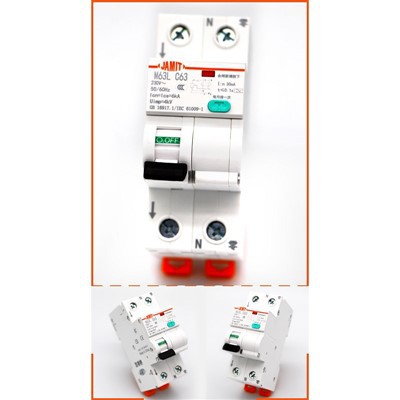
As a Circuit Breaker Panel supplier, I understand the importance of making informed decisions about panel installation. I have a wide range of high – quality circuit breaker panels that are designed to meet various electrical needs. Whether you are planning a new installation in your basement or considering an upgrade, our products are built to last and perform. We offer technical support and guidance to ensure that your installation is both safe and efficient.
Residual Current Circuit Breaker If you are interested in purchasing a circuit breaker panel for your basement or would like more information about our products, please feel free to contact us to start a procurement discussion. We are here to help you choose the right panel for your specific requirements.
References
- "National Electrical Code Handbook", which provides comprehensive electrical safety and installation standards.
- Local building code documents issued by relevant municipal or regional authorities, specifying requirements for electrical panel installations.
- Manufacturer’s installation and user manuals for circuit breaker panels, offering detailed information on proper installation procedures and safety precautions.
Tianjin JMT Electric Co., Ltd.
Tianjin JMT Electric Co., Ltd. is one of the most reliable circuit breaker panel manufacturers and suppliers in China, also supports customized service. Please feel free to buy advanced circuit breaker panel made in China here from our factory.
Address: East Side of Road No. 6, Jinghai Economic Development Zone, Tianjin
E-mail: wangbing@tj-jamit.com
WebSite: https://www.jamit-electric.com/
