What are the operating costs of a Brown’s Gas Generator?
As a supplier of Brown’s Gas Generators, I’ve had numerous discussions with potential clients about the operating costs associated with these remarkable machines. Understanding these costs is crucial for anyone considering investing in a Brown’s Gas Generator, whether for industrial, commercial, or personal use. In this blog post, I’ll break down the various components of the operating costs and provide insights to help you make an informed decision. Brown’s Gas Generator
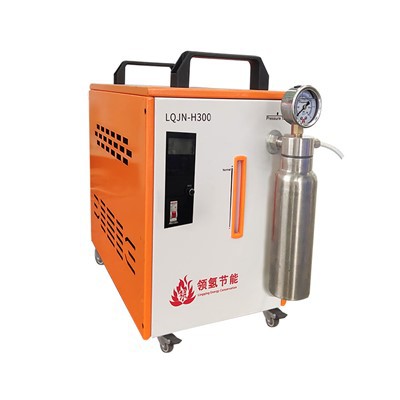
1. Electricity Consumption
One of the primary operating costs of a Brown’s Gas Generator is electricity. Brown’s Gas, also known as HHO gas, is produced through the process of electrolysis, which requires a significant amount of electrical energy. The amount of electricity consumed depends on several factors, including the size and capacity of the generator, the efficiency of the electrolysis process, and the duration of operation.
Typically, larger generators with higher production capacities will consume more electricity. For example, a small-scale generator used for home applications might consume around 1 – 2 kilowatt-hours (kWh) per hour of operation, while an industrial-sized generator could consume 10 kWh or more. The cost of electricity varies depending on your location and the rate charged by your utility provider. On average, in the United States, the cost of electricity is around $0.13 per kWh. So, if a generator consumes 5 kWh per hour and operates for 8 hours a day, the daily electricity cost would be approximately $5.20 (5 kWh x $0.13/kWh x 8 hours).
To reduce electricity consumption, some generators are designed with advanced electrolysis technologies that improve efficiency. For instance, generators with high – performance electrodes and optimized cell designs can produce more Brown’s Gas with less electricity. Additionally, using renewable energy sources such as solar panels to power the generator can significantly lower the operating costs in the long run.
2. Water Usage
Another important operating cost is water. Brown’s Gas is produced by splitting water molecules into hydrogen and oxygen through electrolysis. Therefore, a continuous supply of water is required for the generator to operate. The amount of water consumed depends on the rate of gas production.
On average, a Brown’s Gas Generator consumes about 1 – 2 liters of water per hour of operation, depending on its size and output. The cost of water is relatively low compared to electricity, but it still adds to the overall operating expenses. In most areas, the cost of water is around $0.002 per liter. So, if a generator consumes 1.5 liters of water per hour and operates for 8 hours a day, the daily water cost would be approximately $0.024 (1.5 liters x $0.002/liter x 8 hours).
It’s important to use high – quality water to prevent the buildup of minerals and impurities in the generator, which can reduce its efficiency and lifespan. Distilled or deionized water is often recommended for optimal performance.
3. Electrode Replacement
The electrodes in a Brown’s Gas Generator play a crucial role in the electrolysis process. Over time, the electrodes can wear out due to chemical reactions and electrical currents. The frequency of electrode replacement depends on the quality of the electrodes, the operating conditions, and the amount of gas produced.
High – quality electrodes made from materials such as stainless steel or platinum can last longer, but they are also more expensive. On average, electrode replacement might be required every 6 – 12 months for a moderately used generator. The cost of electrodes can vary widely, from a few dollars for small – scale generators to several hundred dollars for industrial – grade electrodes.
4. Maintenance and Repairs
Regular maintenance is essential to ensure the proper functioning of a Brown’s Gas Generator. This includes tasks such as cleaning the generator, checking the electrical connections, and inspecting the water level and quality. The cost of maintenance depends on the complexity of the generator and the frequency of maintenance.
In addition to regular maintenance, there may be occasional repairs required due to wear and tear or unforeseen issues. The cost of repairs can vary depending on the nature of the problem. Minor repairs, such as replacing a faulty valve or a damaged wire, might cost a few dollars, while major repairs, such as replacing the electrolysis cell, can be more expensive.
5. Gas Storage and Safety Equipment
If you plan to store the Brown’s Gas produced by the generator, you’ll need to invest in appropriate storage equipment. This can include gas cylinders, regulators, and safety valves. The cost of gas storage equipment depends on the capacity and type of equipment you choose.
Safety is also a top priority when working with Brown’s Gas. You’ll need to invest in safety equipment such as gas detectors, fire extinguishers, and protective gear. These costs can add up, but they are necessary to ensure the safe operation of the generator.
6. Cost – Benefit Analysis
While the operating costs of a Brown’s Gas Generator can seem significant, it’s important to consider the potential benefits. Brown’s Gas has a wide range of applications, including welding, cutting, heating, and fuel supplementation. In many cases, the use of Brown’s Gas can lead to cost savings in other areas.
For example, in welding and cutting applications, Brown’s Gas can provide a cleaner and more efficient alternative to traditional fuels such as acetylene. This can result in lower fuel costs and reduced environmental impact. In addition, when used as a fuel supplement in internal combustion engines, Brown’s Gas can improve fuel efficiency and reduce emissions.
Conclusion

In conclusion, the operating costs of a Brown’s Gas Generator include electricity consumption, water usage, electrode replacement, maintenance and repairs, gas storage, and safety equipment. By understanding these costs and considering the potential benefits, you can make an informed decision about whether a Brown’s Gas Generator is the right choice for your needs.
Hydrogen-oxygen Generator If you’re interested in learning more about our Brown’s Gas Generators or discussing the operating costs in more detail, I encourage you to reach out to us. We’re here to provide you with all the information you need and help you find the best solution for your specific requirements.
References
- "Electrolysis and the Production of Brown’s Gas" – Journal of Applied Electrochemistry
- "Cost – Benefit Analysis of Alternative Energy Sources" – Energy Economics Review
- "Safety Guidelines for Working with Brown’s Gas" – National Fire Protection Association
Jiangsu Lingqing Energy-saving Technology Co., Ltd.
We are one of the most reliable brown’s gas generator manufacturers and suppliers in China. With abundant experience, we warmly welcome you to buy customized brown’s gas generator made in China here from our factory. If you have any enquiry about quotation, please feel free to email us.
Address: Building #7, No. 1 Linhe Road, located on the west side of Anlan Road and north of Linhe Road, Huaiyin District, Huaian City, Jiangsu Province.
E-mail: jslingqing@163.com
WebSite: https://www.lingqingtech.com/
