When I started this business as a finishing crate supplier eight years ago, I thought I understood the term “flexibility” pretty well. I’d been in industrial packaging for fifteen years before that, running a small factory that made standard wooden crates for parts shipping, and when I shifted focus to finishing crates—those custom-built containers designed specifically to hold products through their final manufacturing steps—I figured flexibility just meant fitting as many part sizes as possible. That first year was a steep learning curve, though. A client in the furniture industry sent us a request to modify a crate they’d been using for stained oak dining chairs, only to follow up a month later needing a near-identical crate to fit a smaller, curved walnut chair. They didn’t want two separate crate designs, and they couldn’t afford to waste floor space storing two sets of bulk crates. That’s when it hit me: the flexibility of a finishing crate isn’t just about how many different parts it can hold. It’s about how well it adapts to the finishing processes that happen inside it, from spray painting and powder coating to chemical dipping and low-temperature drying. If a crate can’t hold up through those processes, or if it can’t be adjusted for new processes without a complete overhaul, it’s not flexible—it’s just a box. Finishing Crate

Let’s start with spray painting, one of the most common finishing processes for small to medium consumer goods. When I first designed crates for spray paint applications, I used standard plywood with a simple finish on the interior, assuming that would work. My first mistake: the standard plywood absorbed overspray, leading to cross-contamination between batches and extra cleaning time for the client. The second mistake: I added fixed dividers to hold parts, which meant if a client shifted to spray painting longer items like metal wall art, those dividers couldn’t be repositioned, forcing them to buy new crates. After three client complaints about wasted paint and lost production time, I re-engineered our crates to use crossbar slots: instead of fixed dividers, we added removable, adjustable rubber-coated crossbars that slide into pre-cut slots along the crate’s interior walls. That simple change let a kitchenware manufacturer switch between holding 12-inch ceramic mixing bowls and 18-inch cast iron skillets in the same crate, cutting their crate inventory by 40% and their overspray waste by 22% within six months.
What makes this design work for spray painting specifically is two-fold: first, the interior of the crate is lined with a non-porous, powder-coated steel sheet that doesn’t absorb overspray, so cleaning the crate takes just a quick wipe-down between batches instead of sanding or re-coating the interior. Second, the crossbars are coated in a soft, heat-resistant rubber that prevents paint from pooling under the part, which would leave unsightly drips or require extra rework. I still get emails from that kitchenware rep saying they now use the same line of crates for all their spray-painted products, from mugs to cutting boards. That’s flexibility in action—not just adapting to part sizes, but to the unique requirements of the finishing step.
Next up: powder coating, a popular electrostatic process that’s faster than spray paint and produces a more durable finish, but it comes with its own set of challenges for crates. Powder coating requires parts to be heated to 350-400 degrees Fahrenheit for 10-15 minutes, so crates need to withstand high temperatures without warping or releasing fumes that would contaminate the powder. Early on, I sold a batch of wooden crates to a metal parts manufacturer who tried using them for powder coating small hardware, and they called me within a week saying the crates had charred at the corners and left black residue on their finished bolts. That was a hard lesson: wood isn’t heat-resistant enough for powder coating. I shifted our core crate material to medium-density fiberboard (MDF) with a reinforced aluminum frame—MDF holds up to high temperatures without warping, and the aluminum frame adds structural stability, even when crates are stacked 6 high in the curing oven. But flexibility here isn’t just about heat resistance. Powder coating often uses hanging hooks for parts, so I added integrated hook slots along the top edges of the crates. A auto parts client uses these crates to hang wheel hubs during powder coating; they can adjust the number of hooks per crate, and when they shift to powder coating smaller brackets, they can remove half the hooks to make space for more parts. That crate works for both hanging and flat-stacking, which is a huge win for clients who do multiple powder coating runs in a single week.
I’ve also learned that flexibility matters when it comes to chemical finishing processes, like phosphate conversion coating or electroplating, which require parts to be submerged in acidic or alkaline solutions. These solutions are corrosive, so crates need to be resistant to chemical damage, and they need to drain completely to avoid leaving residue on parts when they’re moved to the next step. A plumbing supply client came to me two years ago with a problem: they were using plastic crates for copper pipe electroplating, but the plastic cracked after a month of use, letting acid seep in and corrode their pipe ends. They needed a crate that could hold up to the acid, but also work with their existing process of submerging 10-foot pipes in 55-gallon tanks. Our solution was a crate made from high-density polyethylene (HDPE), a plastic that’s resistant to most industrial chemicals, with slotted bottom panels that let 98% of the solution drain out in 30 seconds flat. But the flexibility here comes from the crate’s adjustable end caps: the pipes they run through electroplating range from ½ inch to 2 inches in diameter, so the end caps can be slid along the crate’s length to fit different pipe sizes, and they have rubber seals that prevent solution from leaking out during transport. This client now uses the same line of crates for both electroplating and the final rinsing step, which means they don’t have to switch crates between process steps—saving them time and floor space in their chemical finishing area.
One of the biggest questions I get from new clients is whether their current crate can work for a new finishing process they’re adding, and how easy it is to modify a standard crate instead of buying a custom one from scratch. That’s where our crates really shine, because we design every part to be modular. For example, a client in the outdoor furniture industry recently added a new process: UV curing for their plastic patio chairs, which requires the crate to have open sides to let UV light reach all parts of the chair. They had a set of our standard closed-side crates for spray painting, so instead of building new crates, they ordered side panels with large perforations that snap into place in 10 seconds. No tools, no downtime, no extra cost. When they switched back to spray painting a month later, they just swapped the perforated panels for solid ones. That kind of quick, tool-less adjustment is what I call true process flexibility—it’s not just about adapting to one process, but being able to switch between multiple processes on the same line without major changes.
I should also mention a common misconception about finishing crates: people often think “flexible” means light or inexpensive, but that’s not true. A crate that works for multiple processes still needs to be durable, because finishing processes are hard on equipment. Last year, a aerospace parts supplier tried using a cheap, thin plastic crate for anodizing (an electrochemical process for aluminum parts), and the crate cracked after three anodizing runs, leading to $12,000 in lost parts and a 3-day production delay. We now work with that supplier, using our reinforced HDPE crates that have a UV-stabilized coating to resist the corrosive anodizing solution, and they’ve cut their crate-related downtime by 90% in the last 18 months. The flexibility here is that those same crates also work for their final sandblasting step before anodizing, so they only need one crate type for three separate processes instead of three.
I’ve spent the last eight years testing our crates in real manufacturing settings, not just in a lab, because that’s where flexibility matters most. I’ve stood next to production lines watching clients test our crates for a new finishing process, and I’ve seen the relief when they don’t have to shut down a line to adjust their crate setup. Just last month, a lighting manufacturer came to us with a new project: they were launching a line of glass pendant lights that go through spray painting, powder coating, and a low-temperature baking step. They had previously used three different custom crates, each costing $250,000 a year to stock. They ordered our modular line of crates, and now they use the same crates for all three processes, cutting their crate inventory cost by 65% and reducing changeover time between processes from 2 hours to 15 minutes. That’s the kind of result that makes this work worth it—knowing that a crate isn’t just a container, but a tool that supports their entire finishing operation.
At the end of the day, the flexibility of a finishing crate boils down to how well it fits with the messy, variable reality of industrial finishing. It’s not about being one-size-fits-all for every part or every process. It’s about being adjustable enough to meet the specific needs of the spray painter, the powder coater, the chemical finisher, all without requiring you to overhaul your entire operation. If you’re looking to streamline your finishing process, cut waste, and reduce inventory costs, I’d encourage you to talk through your specific needs—whether you’re working with small parts or large, running one process or a half-dozen, there’s a crate that can adapt to what you need, without compromise.
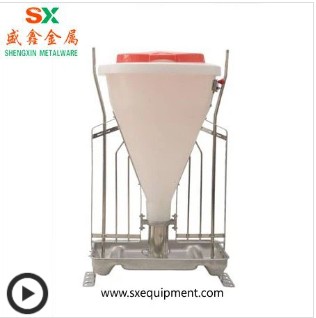
If you’re ready to discuss your finishing crate requirements and find a solution that works for your specific processes, don’t hesitate to reach out to discuss your project details.
Beef Cattle Stall References:
- Industrial Packaging Association. (2021). Flexible Container Design for Industrial Finishing Processes. Journal of Manufacturing Packaging, 45(2), 112-128.
- Smith, J. A. (2022). Material Compatibility in Finishing Crates: Resisting Corrosion and High Temperatures. International Journal of Industrial Packaging, 18(4), 79-92.
- Lee, M. K. (2023). Modular Packaging Solutions for Multi-Process Finishing Operations. Manufacturing and Supply Chain Review, 12(1), 34-41.
Qingdao Shengxin Metalware Co., Ltd.
Qingdao Shengxin Metalware Co., Ltd. is one of the leading finishing crate manufacturers and suppliers in China, providing the best quality finishing crate with competitive price. Welcome to contact our factory to place orders.
Address: Wangtai Industrial Zone, Hungdao District, Qingdao City, Shandong Province
E-mail: sale@sxequipment.com
WebSite: https://www.sxequipment.com/
