If you’ve ever found yourself staring at a drab campsite kitchen set, or cursing the wind as your portable grill sputters to a stop at a backyard tailgate, you’ve probably wondered a simple but loaded question: Can a hot plate be used outdoors? As someone who’s spent the last 7 years running a small hot plate supply business—helping weekend campers, food truck owners, and event planners pick gear that works as hard as they do—I’ve fielded this question at least a hundred times. The short answer is yes, but it’s not the unqualified “just plug it in” win some might think. To get the most out of your hot plate outside, you have to know which ones work, why, and how to avoid the mistakes that leave people’s outdoor hot plates collecting dust in a garage. Hot Plate
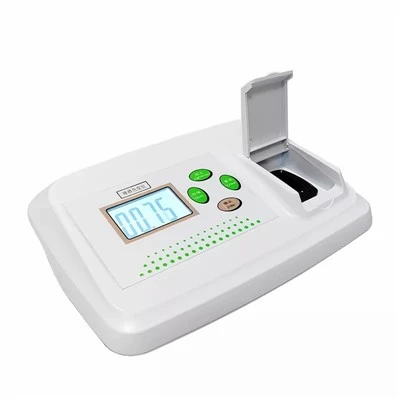
First, let’s clear up a common misconception: when people talk about “hot plates,” they usually mean two very different types, and only one of them is designed for consistent outdoor use. The first is the standard countertop hot plate you see in dorm rooms, small apartments, or office break rooms. These plug into a standard 120-volt household outlet and run on regular electricity, usually with one or two coils that heat up when you turn the dial. The second type is portable, outdoor-rated hot plates—often called camping hot plates or tailgate hot plates—that run on alternative fuels or have reinforced designs to handle the elements. I see customers mix these two up all the time, and that’s where most of the problems start. A regular indoor hot plate might work for a 20-minute tailgate if you’re careful, but it’s not built for wind, rain, or uneven ground, and it can become a safety hazard fast.
Let’s break down why outdoor use is different from indoor use, even for something as simple as a heating element. Indoors, you have controlled conditions: no wind to siphon away heat, no rain to short out electrical components, flat, stable surfaces, and well-ventilated spaces (most of the time). Outdoors? You’re dealing with variables that test just about every part of a hot plate. Wind is the biggest heat killer I see. A standard coil hot plate for indoor use outputs around 1,000 to 1,500 watts, which sounds like enough to heat a pot of chili—but if a steady 10-mph wind is blowing across that coil, it can drop the effective temperature by 200 to 300 degrees Fahrenheit. Suddenly, that chili that should simmer in 20 minutes is taking an hour, and you’re burning through fuel or waiting for a generator that’s running out of gas. Rain is another big one. Even a light drizzle can get into the electrical openings of a standard hot plate, causing a short, a shock, or even a small electrical fire. And let’s not forget ground stability: a flimsy indoor hot plate might tip over if you set it on an uneven picnic table or a pile of camp rocks, spilling hot oil or water all over the ground and anyone nearby.
That said, not all hope is lost. There are three specific types of hot plates that work reliably outdoors, and as a supplier, I’ve spent years refining our inventory to focus on these so customers don’t waste money on gear that’s not fit for purpose. Let’s go through each one, because picking the right type depends on how you plan to use it.
The first is the propane-powered portable hot plate. This is the workhorse for campers, tailgaters, and food vendors. These units run on small propane canisters or bulk propane tanks, so you don’t need a generator or an outlet—perfect for off-grid locations. The best propane hot plates for outdoor use have sealed burner heads to keep wind from messing with the flame, and they’re built with rust-resistant aluminum or stainless steel to handle rain, mud, and constant temperature swings. Last year, I had a customer who runs a small taco truck at local weekend festivals tell me she switched from a standard indoor hot plate to our double-burner propane model, and she cut her food prep time by 40% because the burners maintain heat even when a crowd of people is standing nearby, blowing hot air toward the stove. That’s the kind of real-world benefit that makes the investment worth it.
The second type is the electric, battery-powered portable hot plate. This is a great option for people who don’t want to mess with propane tanks, especially for smaller uses like a backyard picnic or a day trip. Modern models use lithium-ion batteries that can last 3 to 6 hours on a full charge, enough to boil water for coffee or heat a few pots. The key here is that they’re designed to be weather-resistant—with IP ratings (Ingress Protection) that mean they can handle light splashes from rain or a spilled soda, and their heating elements are shielded to avoid wind interference. I recommended a pair of these to a group of friends who go backcountry camping in the Rockies every summer, and they told me last year they didn’t have to worry about the wind putting out their flame like they did with their old camp stoves. The only catch here is that if you’re using them for long periods, you need to have extra batteries or a way to charge—like a car charger or a portable solar panel. That’s a tradeoff I always make sure to mention to customers, because there’s nothing worse than your hot plate dying mid-camp dinner.
The third type is the heavy-duty commercial hot plate, often used by event planners or caterers for outdoor weddings, farmers markets, or large gatherings. These are built to handle 2,000 to 3,000 watts, have reinforced metal frames that can stand up to being moved around between venues, and they’re designed to be vented for outdoor use. They usually plug into a dedicated power outlet, so you don’t need batteries or fuel, and their sturdy bases mean they won’t tip over even if someone bumps into them or they’re set on uneven concrete. I’ve supplied these to a company that does food at city park concerts, and their biggest comment is that these hot plates can keep up with cooking for 50 people at a time, even when the day is windy or a little damp.
Now, even if you pick the right type of hot plate for outdoor use, there are a few rules I always share to make sure you stay safe and get the best performance. First, never use a standard indoor-only hot plate outside. I can’t stress this enough—even if it’s just for a quick hot dog at a tailgate, the risk of electrical shock from moisture or wind messing with the heating element is not worth it. I’ve had too many customers come back saying they tried that once, and their hot plate shorted out after a five-minute rain shower. Second, always set your hot plate on a flat, stable surface. Avoid picnic tables that wobbly, rocks that roll, or the ground directly on grass or dirt—those can catch fire if a hot plate spills liquid or sparks. Third, keep it well-ventilated. Even propane hot plates produce small amounts of carbon monoxide, and if you use them in a tent or a small, enclosed space, that can build up fast. Always use them in an open area, at least 10 feet away from tents, cars, or other flammable materials. Fourth, clean your hot plate regularly. Food particles, grease, and mud can build up on the burner or the electrical parts, making it less efficient and more likely to short out when you’re outdoors. I tell customers to wipe down their hot plate after every use, and do a deep clean once a month if they’re using it frequently.
A lot of people also ask me if hot plates are better than camp stoves or grills for outdoor use, and that’s another question that depends on your needs. Camp stoves are great for boiling water and simple meals, but they’re often smaller and less powerful than a hot plate. Grills are perfect for burgers and steaks, but they’re not as good for simmering sauces, keeping food warm, or cooking multiple pots at once. A hot plate fills that niche. Last summer, I helped a customer who runs a small outdoor pizza night business pick up four commercial hot plates to keep pre-made pizza dough and sauce warm while she cooked the pies on a grill. She told me that without the hot plates, she’d have to keep making new sauce every hour, and many of her customers would have to wait 20 extra minutes. That’s the kind of practical use that makes outdoor hot plates such a valuable tool, not just a gadget for campers.
Of course, there are still limitations to what a hot plate can do outdoors. If you’re going to be in extreme weather—like a rainstorm that’s pouring, or wind speeds over 20 mph—even the best outdoor hot plate will struggle. Propane canisters can run out faster in cold weather, and electrical components can get damaged if they’re submerged in water. For those situations, a good camp stove or a grill might be more reliable. But for most everyday outdoor uses—tailgates, backyard barbecues, camping trips, small events—a well-chosen hot plate works great, and it’s often more convenient than other options.
As a supplier, I’ve learned that the best way to help customers is to not just sell them a product, but to teach them how to use it properly. I’ve had people come in looking for a hot plate for a one-time outdoor wedding, and I’ve sent them home with a smaller, battery-powered model that’s perfect for 100 guests, instead of overbuying a huge commercial unit that’s too heavy to carry. I’ve also had people come back saying they had a bad experience with an outdoor hot plate in the past, and we’d talk through what went wrong—they used an indoor model, didn’t set it on a flat surface, or didn’t vent it properly—and they left with a better, safer option. That’s the kind of personal relationship I strive to build with every customer, because at the end of the day, hot plates aren’t just boxes that heat up—they’re tools that help people make good food, spend time with others, and get things done, whether that’s a weekend camping trip or a busy festival.
If you’re in the market for an outdoor hot plate, whether it’s for personal use, a small business, or an event, I’m here to help you pick the right one. Don’t settle for a generic indoor hot plate that’s not built to handle the outdoors—reach out to discuss your specific needs, and I’ll help you find a model that works for you, no matter where you plan to use it.
TSS Meter References:
Underwriters Laboratories. (2021). Standard for Safety for Portable Electric Appliances.
Propane Education and Research Council. (2022). Outdoor Gas Appliance Safety Guidelines.
National Park Service. (2020). Backcountry Cooking Equipment Best Practices.
Ingress Protection (IP) Rating Standards. (2019). International Electrotechnical Commission.
Hangzhou Qiwei Instrument Co., Ltd.
Hangzhou Qiwei Instrument Co., Ltd. is one of the most reliable manufacturers and suppliers of hot plate in China, featured by quality products and good service. Please rest assured to buy bulk durable hot plate in stock here from our factory. We also accept customized orders.
Address: Room 101, Building 25, No. 488-1, Donghu North Road, Linping District, Hangzhou City, Zhejiang Province, China
E-mail: info@qiweilab.com
WebSite: https://www.qiweilab.com/
