Hey there, if you’ve been running an Open Pod System (OPS) — and let’s be real, when something goes wonky, it feels like half your operation grinds to a halt — I’ve been there. As someone who’s been on the OPS supplier side for the better part of a decade, I’ve talked to hundreds of clinic owners, techs, and even some startup founders who’ve stared down a wonky pod at 2 a.m., panicking because they can’t figure out why it’s not hitting their setup specs. No one’s a stranger to these headaches, but the good news is most OPS issues aren’t rocket science — you just need to know where to start digging, instead of blindly swapping parts or calling support at 3 a.m. (not that our team hates it, but trust me, we’ve all been burned by unnecessary late-night calls). Open Pod System
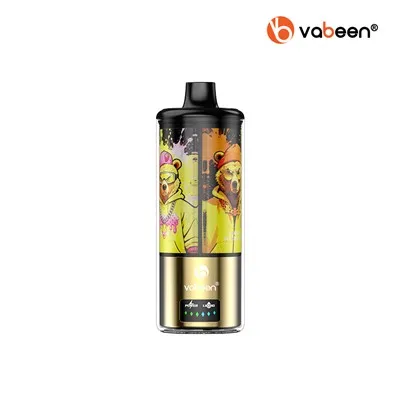
First off, let’s ground this: OPS is built around modular, reusable pods that slot into a shared chassis for vape hardware, right? A lot of troubleshooting mistakes happen when people treat every pod or chassis part like a black box, so we’re going to break this down into the most common, annoying issues, and the step-by-step fixes we actually use for our own customers when we ship them troubleshooting guides. No jargon, no fancy proprietary terms — just real, hands-on stuff.
Let’s start with the most frequent complaint: the pod fires, but there’s no vapor. I can’t tell you how many times I’ve gotten a text at 9 a.m. that says “my new pod is dead out of the package!” Nine times out of 10, it’s not a manufacturing defect — it’s something super simple. First, check the connection between the pod and the chassis. Most people don’t realize the metal pogo pins on the chassis and the pod’s base get gunked up with old vape juice, dust, or even a stray piece of lint from a pocket. I’ve seen techs use a paper clip to dig at the pins before, but that’s a bad move — you can bend the pins and break the whole thing. Instead, grab a q-tip dipped in isopropyl alcohol (90% or higher, because lower concentration leaves water spots that mess with connections) and gently swab both the pod’s base and the chassis’s pin area. If that doesn’t work, check the pod’s airflow sensor — a lot of pods have a small pinhole on the side that detects when you inhale. If that’s blocked, it won’t trigger the heating element. I keep a can of compressed air (the kind for keyboards, not the super heavy-duty computer duster) in my tech bag for exactly this — a quick 1-second blast usually clears whatever’s clogging that hole. If you’re still having issues, it might be the pod’s coil priming — a lot of new users skip this step, and the wick is dry. A quick, gentle pre-inhale (no pressing the fire button) 2 or 3 times saturates the wick, and you’re good to go.
Next up: Vapor that’s burnt or has a weird, sour taste. This one usually pops up when people reuse pods way too many times, or they’re not storing them right after filling. Burnt taste almost always means the wick is dry — either you’ve been taking long, hard hits that burn through the e-liquid too fast, or you’re refilling a pod 10+ times (we recommend 5-7 refills max on our standard pods, because after that, the wick starts to break down). If it’s a sour, fermented taste, that’s mold or old e-liquid sitting in the pod’s reservoir — that’s why we tell our customers to never leave a half-filled pod sitting around for more than 3 days. Even if you cap it, the e-liquid breaks down and gets gross. The fix here is simple: stop reusing that pod, and for the one that’s causing the issue, take it apart (most are tool-less, just twist the base off) and rinse it with warm water — not hot, hot can warp the plastic — and let it air dry for an hour. If it still tastes off, it’s time to toss it. Pro tip from our team: don’t overfill pods. Leaving 1-2mm of space at the top of the reservoir prevents e-liquid from seeping into the airflow holes, which can lead to that sour taste too.
Now for the weird ones: the pod leaks e-liquid all over your pocket or the chassis. Leaks are such a pain because they mess up your device, ruin clothes, and even damage the chassis if they get into the ports. The first thing to check is the pod’s seal ring — that small rubber O-ring around the base of the pod that keeps air and liquid from escaping. Over time, these can get compressed, dirty, or even tear if you’ve been yanking the pod in and out of the chassis too hard. If it’s dirty, clean it with that same isopropyl alcohol q-tip — make sure it’s completely dry before putting it back. If it’s torn, that’s an easy fix: we sell replacement seal rings for like $0.50 each, and our team will throw a handful in with any bulk order if you ask. Another common leak culprit is loose airflow — if you twist the pod too tight or not tight enough, it can shift the seal. I once had a customer who swore his pod was defective because it leaked everywhere, and it turned out he was twisting it all the way down instead of just until it clicked 2 times. The chassis also has a vent hole at the bottom — if that’s blocked (by dust, pocket lint, whatever), pressure builds up inside the pod and pushes e-liquid out. A quick blast of compressed air on that vent hole fixes 90% of pressure-related leaks.
Wait, we can’t forget about the chassis-side issues, because sometimes it’s not the pod — it’s the part that holds the pod. I’ve had so many people call saying “all my pods work on other devices, but not this one” — that’s usually a dead battery or a faulty connection on the chassis. First, check the chassis’s charge level — most of our chassis have a little LED light: red means charging, green means full, yellow means low. If it’s blinking red when you put a pod in, that’s usually a battery issue. Try charging it for 2 hours on the official USB-C cable (not a fast charger, because those can mess with the battery’s calibration), then try again. If that doesn’t work, check the chassis’s pogo pins again — sometimes when you drop the chassis, a pin gets pushed down and won’t make contact with the pod. A gentle, straight push with the tip of a q-tip (no tools!) will pop it back up. If none of that works, it might be a firmware issue — we push out small updates every quarter to fix connection bugs, and most customers can download them via our free app in 2 minutes, no tech experience needed.
A lot of folks also ask about compatibility — “will this pod work with my old chassis?” The short answer is: if it’s a standard OPS that meets the 510-thread spec we use, yes, but if it’s a third-party OPS, there might be tiny differences that cause issues. We always tell customers to check our compatibility chart on our website before buying extra pods, because swapping parts that aren’t meant to work together is the #1 cause of weird, unexplainable issues. I once had a customer who bought $200 worth of generic pods that leaked and burned every time, and it turned out they had a slightly smaller base than our standard pods, so the seal never fully closed.
Now, let’s talk about when to actually call for help — because no one wants to waste time troubleshooting a simple issue that you can fix yourself, or keep trying to fix something that’s definitely a manufacturing defect. If you’ve gone through all the steps I mentioned: cleaned the pins, checked the seal rings, charged the chassis, made sure the pod isn’t past its refill limit, and it’s still not working, that’s when you reach out. And for what it’s worth, our support team isn’t just here to fix defective parts — we’ll talk you through every step, even if you’re not sure what you’re doing. We’ve got a huge library of short video tutorials too, because sometimes seeing someone swab a pin is way easier than reading about it.
A few last-minute tips I’ve picked up over the years: store your pods upright when not in use, not on their sides — that prevents e-liquid from seeping into the airflow holes. Don’t clean your pod with soap — it can leave a weird residue that messes with the taste and the wick. And if you’re going to be storing a pod for more than a week, empty the e-liquid, take it apart, and clean it, then let it fully dry before putting it away.

At the end of the day, OPS is built to be modular, which means most issues are avoidable or easy to fix with a little basic care. If you’ve tried all these steps and you’re still dealing with headaches, our team is here to help. We’ve been making OPS parts for years, and we know our gear inside and out — we can walk you through anything, whether it’s a small connection issue or a bigger problem you can’t figure out. If you’re looking to restock on pods, pick up replacement parts, or just ask more specific questions about your setup, reach out to our sales team to talk through what you need. We’re not just a supplier — we’re here to make sure your OPS works as good as it should, every single time.
Nicotineless Vape References:
- Open Pod System Technical Guidelines, Global Vapor Regulatory Alliance, 2023
- Modular Vape Device Troubleshooting Best Practices, International Vapor Technology Association, 2022
- E-Liquid Compatibility with Reusable Pod Systems, Vapor Product Testing Lab, 2021
Shenzhen Jiandun Technology Co., Ltd.
As one of the most professional open pod system manufacturers and suppliers in China, we have world-leading production equipment and strong manufacturing capabilities. Please rest assured to buy high quality open pod system for sale here from our factory. Contact us for quotation and free sample.
Address: 5th Floor, No.2 Building, GaoXinqi Science and Technology Park Phase II, No.6, Longchang Road, Xin’an Street, Bao’an District, Shenzhen, Guangdong, China
E-mail: info@vabeen.com
WebSite: https://www.vabeenvape.com/
