Hey everyone, Sarah here, from your go-to hydraulic fittings supplier—you know, the guys who’ve got your hoses covered whether you’re on a construction site, a farm, or a manufacturing floor. Lately, I’ve been chatting with a ton of regulars (and some new faces) who’ve brought up a question that’s been bouncing around my head too: what’s the deal with the environmental impacts of hydraulic hose fittings? Most of us know hydraulics are everywhere—they lift the giant beams on construction sites, run the tractors that feed half the country, and keep factory assembly lines moving. But when it comes to the little parts that hold it all together, the fittings? People barely talk about ’em beyond “make sure they don’t leak.” Turns out, that “little part” has a way bigger footprint than you’d think, and it’s worth breaking down—especially since I work with these every single day and want to help everyone, including my customers, keep things running smoothly without trashing the planet. Hydraulic Fittings
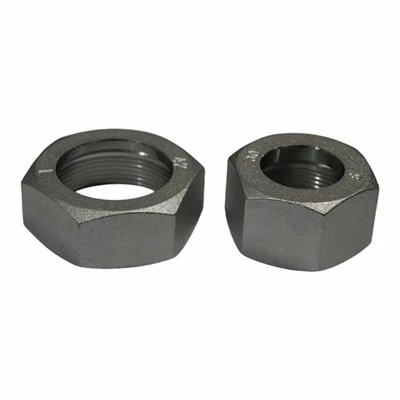
First off, let’s get on the same page: what are hydraulic hose fittings, exactly? Think of ’em as the connective tissue of hydraulic systems. You’ve got the hose that carries pressurized fluid, and the fittings are the metal (or sometimes plastic) ends that screw, crimp, or clamp that hose to pumps, valves, cylinders—all the heavy-duty stuff. They’re designed to stop leaks, handle insane pressure (we’re talking thousands of PSI in a lot of cases), and last forever… right? Well, mostly, but their whole lifecycle—from being made, to being used, to getting tossed—has environmental costs that most folks don’t stop to consider.
Let’s start with the production side, because that’s where the biggest initial hit happens. Most hydraulic fittings are made from steel, brass, or sometimes aluminum. Steel, obviously, is a huge energy hog. Getting steel from iron ore? You’ve got to mine the ore first, which clears up land, messes with soil and water quality (mining runoff is no joke—we’re talking heavy metals leaking into streams, killing fish and plants), then you have to smelt it. Smelting steel is energy-intensive—most steel production still runs on fossil fuels, right? That means tons of CO2 going into the atmosphere, contributing to climate change. Brass is a mix of copper and zinc, and mining those metals has similar environmental issues, plus brass production uses more water than steel, which is a problem in areas already dealing with drought. Aluminum is even worse when it comes to energy—making aluminum from bauxite ore takes like 95% more energy than recycling it, and most of that energy comes from electricity that’s often generated by coal or natural gas, depending on where you are.
Here’s the thing, though—when I source fittings, I try to pick ones that are made with recycled materials as much as possible, because that cuts that production footprint way down. But not every manufacturer does that. I’ve seen some guys cut corners with new, virgin metal just to save a few bucks on materials, and that’s where the extra environmental damage comes in. It’s not just the mining and smelting, either—machining the fittings into that exact shape, drilling holes, threading the ends—all that uses electricity and generates metal shavings, which if they’re not disposed of properly, can end up in landfills or waterways. Those tiny metal bits might not look like a big deal, but over time, they leach into the soil and can mess with plant growth or even get into groundwater we drink.
Now, moving on to the use phase—this is where I see most of my customers run into issues, and it’s tied straight to the fittings. Leaks. If a fitting isn’t installed right, or if it’s low-quality, it springs a leak. Hydraulic fluid is messy stuff, and most of it is petroleum-based, right? When that fluid drips onto the ground, it doesn’t just go away. It seeps into the soil, kills the beneficial microbes that keep soil healthy, and can contaminate groundwater. On construction sites, I’ve seen guys have to dig up whole patches of grass because a leak went unnoticed for weeks, and that’s not just a waste of time—it’s a waste of land, plus that fluid can end up in nearby rivers if it rains. Even synthetic hydraulic fluids, which are supposed to be better, don’t break down super fast, and if they leak into the ocean, they can harm marine life too.
And leaks aren’t just bad for the planet—they’re bad for your bottom line, too. If you’re losing hydraulic fluid through a bad fitting, you’re buying more fluid way more often, plus you’re wasting energy because the system has to work harder to make up for the lost pressure. I always tell my customers: spend a little extra on high-quality fittings now, and you’ll save on fluid, energy, and clean-up costs later. It’s a win for your wallet and the planet.
Wait, there’s also the wear and tear part of use. Fittings have to handle constant vibration, extreme temperatures, and that high pressure I mentioned earlier. If they’re not durable, they start to corrode. Corroded fittings don’t just leak—they can break completely, which leads to downtime for whatever machine you’re using, and that downtime can cost thousands of dollars. But corrosion also means the metal is breaking down into tiny particles, which again, can get into the environment. That’s why I always suggest fittings that are coated with things like zinc or chrome to prevent corrosion—even that coating process has its own environmental stuff, but it’s way better than replacing broken fittings all the time.
Now, the end of life part—what happens to fittings when they’re done? A lot of people toss them in the regular trash, right? But hydraulic fittings are metal, so they should be recycled, but not everyone knows that. If they get tossed in a landfill, they take forever to break down (steel takes decades, brass even longer), and if the hydraulic fluid inside the hose (which is attached to the fitting) isn’t drained before tossing, that fluid can seep out into the landfill, contaminating the soil there. Some landfills even release methane or other gases as organic stuff breaks down, but metal in landfills isn’t the worst, it’s the leftover fluid and the waste of reusable metal. The good news? Most metal fittings are 100% recyclable. You can melt ’em down and use ’em again for new fittings or other metal products, which cuts down on the need for new mining and smelting. But only if you actually recycle them. A lot of construction sites and farms don’t have a good way to recycle metal parts, so they just pile them up in a corner or toss ’em, and that’s a missed opportunity to lower the impact.
Here’s something I’ve been thinking about lately, too—what about alternative materials? I know some people are talking about using plastic or composite hydraulic fittings instead of metal. From what I’ve read, composites are lighter, resist corrosion way better, and some can be recycled (though not all—you have to check the type). They also use less energy to make than metal fittings. But wait, plastic is made from oil, right? So the production of composites still has a fossil fuel footprint, and if they end up in a landfill, they don’t break down easily either. I’ve tested a few plastic fittings for some of my customers, and they work great for lower-pressure applications, but for high-pressure stuff like construction equipment or large farm machinery, metal is still the way to go because it’s way more durable and less likely to fail, which means less waste. It’s a trade-off, definitely, and I think the best approach right now is choosing the right material for the job, not just switching to plastic for the sake of “being green.”
Now, let’s talk about what my customers can actually do to reduce this impact, because at the end of the day, I don’t want to just tell you about problems—I want to help you fix ’em. First, buy high-quality fittings. I source all my fittings from manufacturers that use recycled metal, have strict quality control so they don’t leak, and make parts that last longer. Cheaper fittings might save you a few bucks upfront, but they leak more, corrode faster, and have to be replaced more often—so their total environmental impact is way higher. Second, maintain your fittings regularly. Check for leaks, tighten them properly (not too tight—over-tightening can strip the threads and cause leaks), and replace them when they start to show signs of wear. Third, recycle your old fittings and hydraulic fluid. Set up a system at your worksite to collect old metal parts and take them to a recycling center, and make sure you drain all fluid from the hoses before you toss them. A lot of local auto parts stores or industrial supply places will take old hydraulic fluid for free or a small fee, so that’s easy to do.
I’ll be real with you—hydraulic systems aren’t going anywhere anytime soon. They’re too important for construction, agriculture, manufacturing, and even stuff like firefighting equipment. The fittings, as small as they are, are a big part of making those systems work, but they can also be a big part of the solution to reduce environmental impact, if we do it right. A lot of my customers come to me worried about the environment, but they don’t know where to start with the little parts. That’s why I started writing this post, actually—because I get questions every week about this, and I want to make it simple, not just a bunch of jargon.
If you’re a construction manager, a farm owner, a maintenance tech, anyone who works with hydraulics and wants to make a change—hit me up. We can go over what fittings are right for your system, how to cut down on leaks and waste, and even help you set up a recycling plan for your old parts. I’m not here to sell you stuff you don’t need, I’m here to help you do what’s best for your business and the planet. At the end of the day, that’s what it’s all about—we all want our work to count, not just for us, but for the next generation too.
Wait, one last thing I didn’t mention—something I learned from a customer last month. He runs a big construction company, and he started tracking how much his team was spending on replacement fittings and fluid because of leaks. Turns out, switching to high-quality, recycled fittings cut his replacement costs by 30% and his fluid usage by 25% in just six months. That’s not just better for the planet—it’s better for his bottom line. It’s a win-win, plain and simple.

So, if you’ve got questions about hydraulic fittings, their environmental impact, or just want to chat about what works for your specific needs, don’t hesitate to reach out. I’m always here to help, no pressure, just honest advice. Let’s make our hydraulics work hard for us and the planet, one fitting at a time.
Screw Nut References:
- Hydraulic Fittings: Lifecycle Impacts and Sustainable Sourcing. Industrial Hydraulic Association, 2022.
- Environmental Effects of Metal Mining and Smelting. US Environmental Protection Agency, 2021.
- Corrosion Prevention for Hydraulic Components: A Practical Guide. Society of Automotive Engineers, 2020.
- Recycled Content in Hydraulic System Components. International Fluid Power Society, 2023.
- End-of-Life Management for Hydraulic Hoses and Fittings. Sustainable Industrial Machinery Alliance, 2022.
Yuyao Huiqiang Fluid Connectors Co., Ltd.
As one of the most professional hydraulic fittings manufacturers and suppliers in China, we also support customized service with low price. Please feel free to wholesale cheap hydraulic fittings in stock here from our factory. Welcome to view our website for more information.
Address: No. 102, Wenwei Road, Zhangting Town, Yuyao City, Ningbo City, Zhejiang Province
E-mail: huiqiangliuti@aliyun.com
WebSite: https://www.huiqiangfitting.com/
