Hey folks, let’s cut to the chase—if you work with high-voltage circuit breakers, you’re handling some serious power. We get it, here at [our company, we’re the high-voltage breaker crew], we ship these bad boys to utilities, manufacturing plants, industrial facilities, even big commercial sites that need reliable power distribution. But let’s be real: safety isn’t just a buzzword here—it’s non-negotiable. I’ve seen too many close calls over the years, and way too many people skip simple precautions because they think “it’ll never happen to me.” Today, I’m breaking down the real, actionable safety stuff you need to know when using these breakers, no corporate jargon, just straight-up lessons we’ve picked up selling, installing, and supporting these units for years. High-voltage Circuit Breaker
First off, let’s start with the basics that way too many people sleep on: pre-use checks. I know, I know—when you’re swamped trying to get a circuit back online, the last thing you want to do is spend 10 minutes poking around the breaker. But trust me, that 10 minutes can save you from a trip to the ER, or way worse. Let’s get specific. First, never skip the visual pre-inspection. Walk the perimeter of the breaker—look for cracked insulators, loose connection bolts, frayed wiring, or any signs of corrosion. High voltage is unforgiving; a tiny crack in an insulator that looks trivial can arc over at 10,000 volts faster than you can blink. We had a customer a few months back who skipped this step—they just flipped the breaker to reset a power outage, and a corroded connection sparked, blowing a fuse and singeing their maintenance tech’s sleeve. Stupid mistake, easy to avoid.
Next up, dielectric testing. Yeah, it sounds fancy, but all that means is checking the insulation strength of the breaker. Before you even touch the breaker, confirm that the insulation can handle the voltage it’s rated for. We always tell our clients to use a proper dielectric tester—don’t grab a multimeter from your toolbox, that’s for low-voltage stuff. High-voltage dielectric testing requires specialized equipment because standard tools won’t pick up tiny, dangerous leaks. Also, make sure you test the area around the breaker too—wet floors or damp metal panels kill dielectric strength faster than anything. If it rained last night and the panel’s still damp, wait for it to dry out before doing anything near the breaker.
Then there’s lockout/tagout (LOTO). This is the big one, and I don’t care how experienced you are—if you’re working on or even near a live breaker, LOTO is non-negotiable. Let’s explain it in plain English: lock the breaker in the “off” position, tag it with your name, and make sure no one can flip it on while you’re working. I’ve seen guys who think they can “just check a quick wire” without locking out—they assume the system’s been de-energized, but a trainee or a shift worker might not see the tag and flip it without checking. Also, use personal lockout devices, not a shared key. If you’re working with a team, each person adds their own lock, so no one can remove someone else’s lock without their permission. Oh, and double-check that the breaker’s actually off—once you’ve locked it, use a voltage tester to confirm there’s no power in the lines. Don’t just rely on the breaker’s position; test with a phase detector that’s rated for the voltage you’re dealing with. We always recommend non-contact testers too, as a backup—if it beeps, get back.
Now, when you’re actually operating the breaker—whether it’s manual, motorized, or something we supply, our breakers are designed with built-in safety features, but you still gotta respect them. First, never open or close a breaker before verifying the load. If there’s a short circuit or an overcurrent situation you don’t know about, flipping the breaker can cause a huge arc flash. Arc flashes are no joke—they’re a blast of superheated air and metal that can reach temps of 35,000°F, hotter than the surface of the sun. That stuff doesn’t just burn—it can melt through clothes and skin in milliseconds. So before operating, check the associated protection relays to make sure they’re set correctly for the current load. If the relay is tripping too fast or too slow, don’t bypass it—adjust it first, or call us if you need help. We’ve got a whole team of techs who can walk you through relay calibration over the phone, no charge, because your safety matters to us, not just the sale.
Also, when you’re manually operating a breaker (some of our smaller units work this way), stand clear of the operating mechanism. Don’t lean over the breaker while pulling the handle. If there’s a mechanical failure, the handle can fly back or break, and that’s a hazard. We’ve built our breakers with reinforced operating levers for exactly that reason, but you still gotta use proper form. Use both hands, keep your body to the side of the lever, not in line with it. And for motorized breakers? Never override the motor safety switches. Some guys get impatient and yank the power cord to stop the breaker mid-operation, but that can damage the internal components and create a fault. If you need to stop a motorized breaker, use the control panel’s stop button, period.
Then there’s PPE—personal protective equipment. I get it, it’s uncomfortable to wear thick rubber gloves, a face shield, and a flame-resistant suit in 90°F weather, but here’s the thing: that gear is there to save your life. Not all PPE is the same, either. Regular work gloves won’t cut it—you need Class 00 to Class 4 rubber insulating gloves, rated for the specific voltage level of your breaker. Check the expiration date on the gloves too—they don’t last forever, even if they look fine. We supply our clients with PPE kits that are tailored to their breaker’s voltage, and we always remind them to have the gloves tested annually by a certified lab, because tiny pinholes you can’t see can render them useless. Add a face shield (not just safety glasses—full face shield, because arc flashes throw molten metal) and arc flash-rated clothing. And for your feet? Steel-toe boots with rubber soles, not work boots with leather soles, because leather conducts electricity. One last thing about PPE: if any piece of gear is damaged, replace it immediately. Don’t tape a tear in your glove and keep wearing it—you’re just asking for a shock.
What about when a breaker trips unexpectedly? This is a super common scenario, and a lot of people make mistakes here. First, never reset a tripped breaker without investigating why it tripped. If it’s a short circuit, resetting it will just send more power through the fault, which can cause a fire, damage equipment, or even an explosion. When a breaker trips, first check the load side for any obvious issues—like a broken wire, an overloaded appliance, or a shorted component. If you can’t find the problem, don’t keep flipping it on and off—that’s how you cause a bigger fault. Call an electrician or our support team, and we’ll help you walk through troubleshooting. Also, never ignore a breaker that trips repeatedly—if it’s tripping every time you turn on a certain equipment, that’s a sign of a persistent fault that needs fixing, not just resetting.
Now, let’s talk about maintenance, because a breaker is only as safe as it is well-maintained. We sell breakers that are built to last, but they need regular checks to keep them working properly. For our high-voltage units, we recommend annual maintenance visits—we can send a tech to your site to check contacts, lubricate moving parts, test the operating mechanism, and replace any worn components. If you wait too long to do maintenance, contacts can get pitted from arcing, which makes them less effective at breaking current, and that can lead to failure during an outage. Also, keep the breaker area clean and free of debris. We’ve had clients store old boxes, tools, or even trash next to their breakers, and that stuff can catch fire if there’s an arc, or block access to the operating mechanism in an emergency. Keep the area around the breaker clear for at least 3 feet on all sides, so you have room to work if something goes wrong.
Wait, let’s not forget about training. This is something we push hard with all our customers—don’t let untrained personnel work on high-voltage breakers. I’ve seen way too many situations where a general maintenance guy thinks he can work on the breaker because he knows how to fix a light switch. High-voltage work is specialized. If you’re not certified in high-voltage safety, don’t touch the breaker beyond basic visual checks, and even those should be done with someone who is. We offer training sessions for our clients, both on-site and virtual, so your team knows exactly how to operate, maintain, and stay safe around the breakers we sell. It’s not a sales pitch—it’s because we don’t want to hear about an accident involving a breaker we supplied.
Let’s also cover common mistakes people make that I see all the time. First, using the wrong breaker for the job. A lot of guys will save a few bucks on a breaker that’s rated lower than their system’s voltage, and that’s a disaster waiting to happen. We make breakers for specific voltage levels (15kV, 25kV, 38kV, etc.), and using a breaker rated for 15kV on a 25kV system will fail, and hard. Second, not updating documentation. Keep a log of every maintenance check, every test, every time the breaker tripped. If something goes wrong, that log can help figure out why, and it’s also required for OSHA compliance in most places. Third, ignoring manufacturer guidelines. Yeah, we supply these breakers, but our guidelines are written for a reason—we design them to meet safety standards, and skipping a step in our instructions will void the warranty and put you at risk.

Before I wrap this up, let’s hit a few final quick tips that are easy to miss. Never work alone on high-voltage equipment. Always have a buddy who’s trained and can call for help if something goes wrong. Have a first aid kit nearby that’s stocked for electrical injuries—most standard kits don’t have the stuff you need for arc burns or shock. And test your safety equipment regularly, not just once a year. Do a quick visual check of your gloves before every use, use your voltage tester on a known live source to make sure it works, never use old or expired gear.
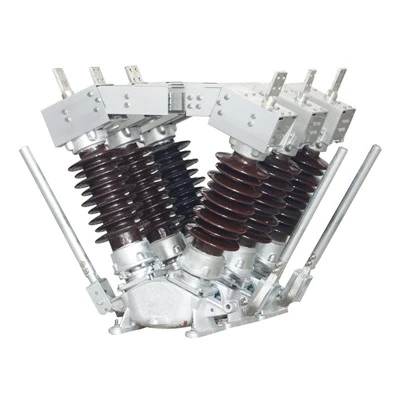
High Voltage Disconnector At the end of the day, high-voltage breakers are critical for keeping power systems running, but they’re powerful tools that demand respect. The precautions I’ve talked about today aren’t just rules—they’re the things that keep your team safe, your facility operational, and your equipment intact. If you’re in the market for a reliable, high-quality high-voltage circuit breaker, or you need help with safety training for your team, or you have questions about any of the stuff I covered here, we’re here to help. Don’t hesitate to reach out to our team to connect for a consultation—we don’t just sell breakers, we make sure you have the knowledge and support to use them safely.
References
- Occupational Safety and Health Administration (OSHA). 29 CFR 1910.333 – Selection and use of work practices, 2024.
- Institute of Electrical and Electronics Engineers (IEEE). IEEE Std C37.100.1 – Common Requirements for High-Voltage Switchgear and Control Gear, 2021.
- National Fire Protection Association (NFPA). NFPA 70E – Standard for Electrical Safety in the Workplace, 2023.
- International Electrotechnical Commission (IEC). IEC 62271-100 – High-Voltage Switchgear and Controlgear – Part 100: AC Circuit Breakers, 2020.
Zhongtai Electric Power Technology Co., Ltd.
With abundant experience, we are one of the most professional high-voltage circuit breaker manufacturers and suppliers in China. We warmly welcome you to wholesale bulk customized high-voltage circuit breaker from our factory. If you have any enquiry about quotation, please feel free to email us.
Address: High-tech Industrial Park, Chongren County, Fuzhou City, Jiangxi Province (No. 261 Yingbin Avenue)
E-mail: info@zhongtaielectric.com
WebSite: https://www.zhongtaipower.com/
