In the industrial realm, auxiliary equipments play a pivotal role in ensuring the smooth and efficient operation of main production processes. As a dedicated supplier of auxiliary equipments, I have witnessed firsthand the profound impact that various factors can have on their performance. Understanding these factors is crucial for both suppliers like me and clients who rely on these equipments to optimize their operations. In this blog post, I will delve into the key factors that affect the performance of auxiliary equipments, shedding light on aspects that can influence their efficiency, reliability, and overall functionality. Auxiliary Equipments
1. Design and Engineering Quality
The foundation of high – performing auxiliary equipments lies in their design and engineering. A well – designed equipment is tailored to meet specific industry requirements and operational needs. The precision of the design dictates how effectively the equipment can perform its intended function. For example, in the case of a conveyor system (a common auxiliary equipment), factors such as belt width, speed, and load – bearing capacity need to be carefully calculated based on the volume and type of materials it will handle.
Moreover, the choice of materials during the engineering process is of utmost importance. Using high – quality, durable materials ensures that the equipment can withstand the rigors of continuous use. For instance, in a cooling tower, the use of corrosion – resistant materials can prevent deterioration over time, maintaining its heat – exchange efficiency. Poor design or the use of substandard materials can lead to frequent breakdowns, reduced efficiency, and increased maintenance costs.
2. Installation and Commissioning
Even the most well – designed auxiliary equipment can underperform if not installed correctly. Proper installation is a critical step that demands expertise and adherence to specific guidelines. During installation, the equipment needs to be aligned accurately, all connections must be secure, and it should be integrated seamlessly with other components in the production system.
For example, when installing a filtration system, any misalignment of the filters or improper plumbing connections can lead to reduced filtration efficiency, allowing contaminants to pass through. Commissioning is equally important. This process involves testing the equipment under real – world conditions to ensure that it operates as intended. Thorough commissioning helps identify and rectify any potential issues before the equipment is put into full – scale production, preventing costly downtime and performance problems in the future.
3. Maintenance and Servicing
Regular maintenance is the key to keeping auxiliary equipment in optimal condition. Over time, wear and tear are inevitable, and components such as bearings, belts, and seals may degrade. Scheduled maintenance activities, including lubrication, cleaning, and component replacement, can significantly extend the lifespan of the equipment and maintain its performance.
For example, a centrifugal pump used as an auxiliary equipment in a chemical plant requires regular maintenance of its impellers and seals. Failure to do so can result in reduced flow rates, increased energy consumption, and even leaks. In addition to routine maintenance, timely servicing in response to breakdowns or emerging issues is essential. A well – trained service team equipped with the right tools and spare parts can quickly diagnose and repair problems, minimizing downtime and ensuring that the equipment resumes normal operation as soon as possible.
4. Operating Conditions
The performance of auxiliary equipment is highly sensitive to the operating conditions in which it functions. Temperature, humidity, pressure, and ambient air quality can all have a significant impact. For example, in a high – temperature environment, electrical components in control panels may overheat, leading to malfunctions. Similarly, high humidity can cause corrosion in metal parts, reducing their strength and functionality.
In industries where dust and particulate matter are prevalent, such as mining or cement production, auxiliary equipment like fans and blowers need to be protected from dust ingress. Otherwise, dust accumulation can clog filters, reduce airflow, and increase energy consumption. Understanding and adapting to these operating conditions, perhaps through the use of protective enclosures or environmental control systems, is vital for maintaining equipment performance.
5. Operator Skill and Training
The proficiency of the operators using the auxiliary equipment cannot be underestimated. Well – trained operators are more likely to operate the equipment correctly, following the recommended procedures and safety guidelines. They can also detect early signs of potential problems, such as abnormal noise or vibrations, and take appropriate action promptly.
For example, an operator who is trained to read the pressure gauges of a pneumatic control system accurately can prevent over – pressurization, which could damage the equipment. On the contrary, inexperienced or poorly trained operators may misuse the equipment, leading to premature wear and tear, reduced performance, and even safety hazards. Therefore, providing comprehensive training programs for operators is an investment that can pay off in improved equipment performance and increased productivity.
6. Compatibility with Main Equipment
Auxiliary equipment is designed to work in conjunction with main production equipment. Its performance is closely related to its compatibility with the main system. If the auxiliary equipment is not well – matched with the main equipment in terms of capacity, speed, or control signals, it can lead to inefficiencies in the overall production process.
For example, a feeder system used to supply raw materials to a manufacturing machine should have a delivery rate that is consistent with the machine’s production capacity. If the feeder delivers too much or too little material, it can disrupt the production process, cause quality issues, and reduce the overall efficiency of the system. Ensuring compatibility through careful system design and specification is essential for maximizing the performance of both the auxiliary and main equipment.
7. Technological Upgrades and Innovation
The field of auxiliary equipment is constantly evolving, with new technologies and innovations emerging regularly. Older equipment may become obsolete as more advanced and efficient models are developed. Upgrading to the latest technology can significantly enhance the performance of auxiliary equipment.
For example, the introduction of smart sensors and control systems in auxiliary equipment allows for real – time monitoring and adjustment of operating parameters. This can optimize energy consumption, improve product quality, and reduce maintenance requirements. As a supplier, I am committed to staying at the forefront of technological advancements and offering clients the opportunity to upgrade their existing auxiliary equipment to take advantage of these new capabilities.
Encouraging Purchase and Engagement
As a supplier of auxiliary equipment, I understand the importance of these factors in ensuring the high – performance of the products I offer. Whether you are looking to install new auxiliary equipment, upgrade your existing systems, or require reliable maintenance and servicing, my team of experts is here to assist you.

Our products are designed with the latest engineering techniques and high – quality materials to ensure optimal performance. We provide comprehensive installation and commissioning services, as well as ongoing training for your operators. Our maintenance and servicing programs are tailored to your specific needs, ensuring that your equipment operates at peak efficiency throughout its lifespan.
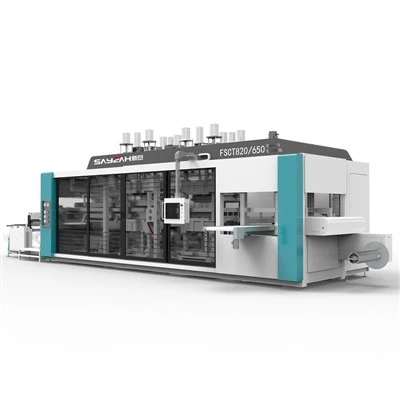
Three Station Thermoforming Machine If you are interested in learning more about how our auxiliary equipment can meet your requirements and improve your production processes, I encourage you to reach out to us. We are eager to engage in a detailed discussion about your needs and provide you with customized solutions. Let’s work together to enhance the performance of your operations and achieve your business goals.
References
- Smith, J. (2018). Industrial Equipment Design and Maintenance. Publisher: ABC Publishing.
- Johnson, R. (2020). Operating Conditions and Equipment Performance. Journal of Industrial Engineering, 15(2), 45 – 58.
- Brown, A. (2019). The Role of Operator Training in Equipment Efficiency. International Journal of Manufacturing Technology, 22(3), 78 – 90.
Zhejiang Sayeah Machinery Co., Ltd.
Zhejiang Sayeah Machinery Co., Ltd. is one of the most reliable manufacturers and suppliers of auxiliary equipments in China, also supports high quality customized service. Please feel free to buy CE approved auxiliary equipments from our factory. For price consultation, contact us.
Address: Wanquan District Industrial Zone,West Of China National Highway 104, Sunlou Village, Wanquan Town, Pingyang County, Zhejiang Province. China
E-mail: sales@sayeahmachinery.com
WebSite: https://www.sayeahthermoforming.com/
