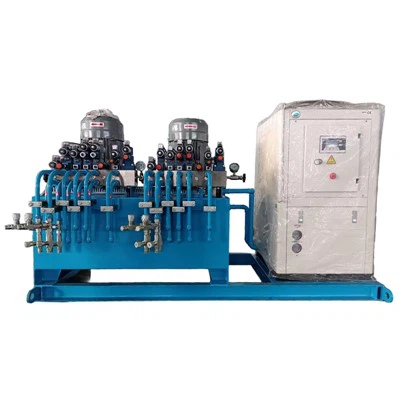
In the dynamic world of hydraulics, hydraulic valve blocks play a pivotal role in ensuring the efficient operation of various systems. As a seasoned supplier of hydraulic valve blocks, I’ve witnessed firsthand the distinct characteristics that set apart those designed for industrial and agricultural applications. In this blog post, I’ll delve into these differences, shedding light on why understanding them is crucial for both suppliers and end-users. Hydraulic Valve Block
Design Complexity
Industrial applications often demand highly complex hydraulic valve block designs. Factories and manufacturing plants utilize a wide range of hydraulic machinery, from large presses to automated assembly lines. These systems require precise control over fluid flow, pressure, and direction. As a result, industrial valve blocks are typically engineered with multiple valves, intricate passageways, and advanced control mechanisms.
For instance, in a metal stamping plant, the hydraulic valve block must be capable of rapidly adjusting the pressure and flow rate to accommodate different stamping operations. This requires a sophisticated design that can handle high pressures and quick response times. On the other hand, agricultural applications generally have simpler valve block designs. Farm equipment, such as tractors and harvesters, primarily use hydraulic systems for tasks like lifting attachments, adjusting the height of implements, and steering. These functions do not require the same level of precision and complexity as industrial applications. Consequently, agricultural valve blocks are often more straightforward in design, with fewer valves and less intricate passageways.
Pressure and Flow Requirements
Another significant difference between industrial and agricultural hydraulic valve blocks lies in their pressure and flow requirements. Industrial applications typically operate at much higher pressures than agricultural ones. In industries such as mining and heavy construction, hydraulic systems can generate pressures exceeding 5,000 psi (pounds per square inch). This is necessary to power large equipment and perform heavy-duty tasks.
Industrial valve blocks are designed to withstand these high pressures and ensure reliable performance. They are often made from high-strength materials, such as forged steel, and are subjected to rigorous testing to guarantee their integrity under extreme conditions. In contrast, agricultural applications generally operate at lower pressures, typically ranging from 1,000 to 3,000 psi. Farm equipment does not require the same level of force as industrial machinery, so the valve blocks can be designed with less emphasis on high-pressure resistance. However, flow rates are still important in agricultural applications, as the equipment needs to be able to move fluid quickly to perform tasks such as lifting and lowering attachments efficiently.
Environmental Conditions
The environmental conditions in which industrial and agricultural hydraulic valve blocks operate also vary significantly. Industrial settings are often harsh, with exposure to dust, dirt, chemicals, and extreme temperatures. Valve blocks used in these environments must be highly resistant to corrosion, abrasion, and contamination.
To protect against these challenges, industrial valve blocks are often coated with special materials or painted to prevent rust and corrosion. They may also be equipped with filters and seals to keep dirt and debris out of the hydraulic system. Agricultural applications, on the other hand, are typically exposed to a different set of environmental conditions. Farm equipment operates outdoors, where it is exposed to weather elements such as rain, snow, and sunlight. Valve blocks used in agriculture must be able to withstand these conditions without compromising their performance.
In addition, agricultural equipment may be exposed to fertilizers, pesticides, and other chemicals, which can cause corrosion and damage to the valve block. To address these issues, agricultural valve blocks are often made from materials that are resistant to corrosion and chemical attack, such as aluminum or stainless steel.
Maintenance and Serviceability
Maintenance and serviceability are important considerations for both industrial and agricultural hydraulic valve blocks. However, the requirements for each application can vary. In industrial settings, downtime can be extremely costly, so it is essential to minimize maintenance and repair times. Industrial valve blocks are often designed with easy access to valves and components, allowing for quick maintenance and replacement.
They may also be equipped with diagnostic features that can help identify problems before they cause significant downtime. In contrast, agricultural equipment is often used in remote locations, where access to maintenance facilities may be limited. As a result, agricultural valve blocks need to be durable and reliable, with minimal maintenance requirements. They are typically designed to be easy to clean and service, with simple components that can be easily replaced in the field.
Cost Considerations
Cost is always a factor in any purchasing decision, and hydraulic valve blocks are no exception. Industrial valve blocks, with their complex designs and high-pressure capabilities, are generally more expensive than agricultural valve blocks. The cost of materials, manufacturing processes, and testing all contribute to the higher price tag.
However, the investment in an industrial valve block is often justified by the increased productivity and reliability it provides. In contrast, agricultural valve blocks are typically more affordable, making them a cost-effective solution for farmers and agricultural equipment manufacturers. The simpler design and lower pressure requirements result in lower manufacturing costs, which are passed on to the customer.
Conclusion

In conclusion, there are several key differences between hydraulic valve blocks for industrial and agricultural applications. These differences include design complexity, pressure and flow requirements, environmental conditions, maintenance and serviceability, and cost. As a supplier of hydraulic valve blocks, it is essential to understand these differences to provide our customers with the right products for their specific needs.
Servo Hydraulic Cylinder Whether you are an industrial manufacturer looking for a high-performance valve block or a farmer in need of a reliable and affordable solution, we have the expertise and experience to help you find the perfect hydraulic valve block for your application. If you have any questions or would like to discuss your requirements further, please do not hesitate to contact us. We look forward to working with you to meet your hydraulic needs.
References
- "Hydraulic Systems and Components Handbook"
- "Industrial Hydraulics: Principles and Maintenance"
- "Agricultural Machinery Hydraulics"
Wuhu Zhongye Fluid Equipment Co., Ltd.
We are one of the most experienced hydraulic valve block manufacturers and suppliers in China, specialized in providing high quality customized products. Please feel free to wholesale bulk durable hydraulic valve block in stock here from our factory. Contact us for quotation.
Address: No. 2, Hexing Road, Sanshan District, Wuhu City, Anhui Province
E-mail: zhongyehydro20@163.com
WebSite: https://www.zhongyehydro.com/
