Lay flat hoses are versatile and widely used in various industries, including agriculture, construction, and firefighting. As a lay flat hose supplier, I understand the importance of ensuring these hoses are transported safely to our customers. In this blog post, I’ll share some key insights and best practices on how to transport lay flat hoses safely, based on my years of experience in the industry. Lay Flat Hose
Pre – transport Preparation
Inspection
Before sending out any lay flat hoses, a thorough inspection is essential. Check for any signs of damage such as cuts, holes, or weak spots in the hose material. Any compromised hoses should be set aside for repair or replacement. This not only ensures the safety of the transportation process but also guarantees that customers receive high – quality products. Inspections also involve verifying the hose fittings. Make sure they are tightly connected and in good condition. Loose or damaged fittings can lead to leaks during transportation, which can be a hazard and cause damage to the hose itself and other cargo.
Cleaning
Cleaning the hoses prior to transport is crucial. Hoses that have been used in dirty or corrosive environments may carry debris, chemicals, or other contaminants. These substances can not only pose a risk to the transport workers but also cause damage to the hoses over time. Use appropriate cleaning agents and methods depending on the type of dirt or chemicals on the hoses. For example, hoses used in agricultural applications may be cleaned with water and a mild detergent, while those exposed to more stubborn chemicals may require specialized cleaning solutions. After cleaning, allow the hoses to dry completely to prevent mold and mildew growth during transportation.
Coiling
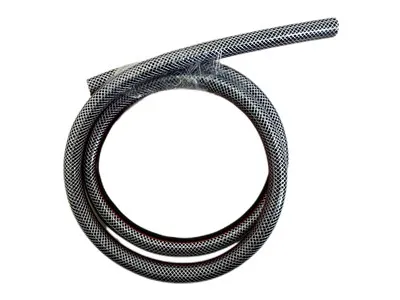
Proper coiling of lay flat hoses is a fundamental step in safe transport. Start by laying the hose out straight on a clean surface. Then, begin coiling it neatly in a circular pattern. Avoid kinking or twisting the hose during the coiling process, as this can cause permanent damage to the hose structure. Use the appropriate coiling diameter to ensure the hose retains its shape and flexibility. Smaller coiling diameters may put excessive stress on the hose, leading to early failure. If the hoses are long, consider using coiling tools to help maintain a consistent and tight coil.
Packaging
Once the hoses are coiled, they need to be properly packaged. This protects them from external factors such as moisture, dust, and mechanical damage during transit.
Wrapping
Use high – quality waterproof and abrasion – resistant materials to wrap the coiled hoses. Plastic sheeting is a common choice as it provides a good barrier against moisture and can be easily secured around the hose coils. For extra protection, consider using bubble wrap or foam padding to cushion the hoses from impacts.
Boxing
If possible, place the wrapped hose coils in sturdy cardboard boxes or wooden crates. This provides an additional layer of protection and helps to keep the coils in place during transportation. Label the boxes clearly with information such as the hose type, length, and any special handling instructions. This makes it easier for the transport personnel to identify and handle the shipments correctly.
Transportation Mode Selection
The choice of transportation mode can significantly impact the safety of lay flat hoses during transit.
Road Transport
For most local and regional deliveries, road transport is a common choice. When using trucks for transportation, ensure that the vehicle is clean and free of any sharp objects or debris that could damage the hoses. Secure the packaged hoses properly in the truck bed using straps or ropes to prevent them from shifting during transit. If the journey is long, consider using a well – ventilated truck to prevent the build – up of moisture inside the packaging.
Rail Transport
Rail transport is suitable for long – distance shipments. Similar to road transport, hoses should be properly packaged and secured in railway containers. Pay attention to the loading and unloading processes to avoid rough handling. Trains can experience vibrations during movement, so proper cushioning and securing are crucial to prevent damage to the hoses.
Sea Transport
For international shipments, sea transport is often the most cost – effective option. However, it also presents unique challenges. Lay flat hoses should be packed in waterproof containers to protect them from seawater and humidity. It’s important to choose a reliable shipping company with experience in handling industrial hoses. Consider using desiccants inside the containers to absorb any moisture that may seep in during the voyage.
Handling During Transport
Regardless of the transportation mode, proper handling of lay flat hoses is essential for safe transit.
Loading and Unloading
During loading and unloading, use appropriate lifting equipment such as forklifts or conveyor belts. Ensure that the equipment operators are trained to handle hoses safely to avoid dropping or mishandling them. If the hoses are being manually loaded or unloaded, provide proper training to the workers on how to lift and carry the hoses without causing damage.
Stacking
If the hoses are stacked, make sure they are stacked in a stable manner. Avoid stacking heavy objects on top of the hose packages, as this can cause compression damage. Use pallets or racks to separate and organize the hoses, which also makes it easier to access and move them as needed.
Quality of Transportation Personnel
The quality and expertise of the transportation personnel play a vital role in the safe transport of lay flat hoses.
Training
Provide training to the drivers, loading workers, and other transport personnel on the specific requirements of transporting lay flat hoses. This includes proper handling techniques, how to identify potential damage, and what to do in case of emergencies. Regular refresher courses can help keep the personnel updated on the latest safety practices.
Communication
Establish clear lines of communication between the supplier, the transport company, and the customer. This ensures that everyone is aware of the shipment details, including the expected delivery time, any special handling instructions, and the condition of the hoses at each stage of the transportation process.
Monitoring and Tracking
Implement a monitoring and tracking system for the lay flat hose shipments. This can involve using GPS tracking devices on the transport vehicles to keep track of the location and movement of the hoses. Additionally, regular check – ins with the transport personnel can provide real – time information on the condition of the hoses during transit. If any issues are detected, immediate action can be taken to address them.
Conclusion
Transporting lay flat hoses safely requires careful planning, proper preparation, and attention to detail. As a supplier, it is our responsibility to ensure that the hoses are in good condition before transport, properly packaged, and handled with care throughout the journey. By following the best practices outlined in this blog post, we can minimize the risk of damage and ensure that our customers receive high – quality hoses in a timely manner.
Flexible PVC Hose If you are in need of high – quality lay flat hoses for your business, I encourage you to reach out to me. I have a wide range of lay flat hoses suitable for various applications, and I am committed to providing you with the best products and services. Whether you have questions about our hoses or need assistance with transportation arrangements, feel free to contact me for a detailed discussion.
References
- Industry standards for lay flat hose manufacturing and transportation
- Internal records and experiences from years of supplying lay flat hoses
- Consultations with experts in the field of industrial hose transportation
Weifang Xinzhiyuan Plastic Co., Ltd.
As one of the most experienced lay flat hose manufacturers and suppliers in China, we offer a wide range of products with superior quality. Please feel free to wholesale premium lay flat hose made in China here from our factory. We also accept customized orders.
Address: No. 700, Tongle Street, Economic Development Zone, Changle County, Weifang City, Shandong Province
E-mail: hua@xzypvchose.com
WebSite: https://www.pvchose-xzy.com/
