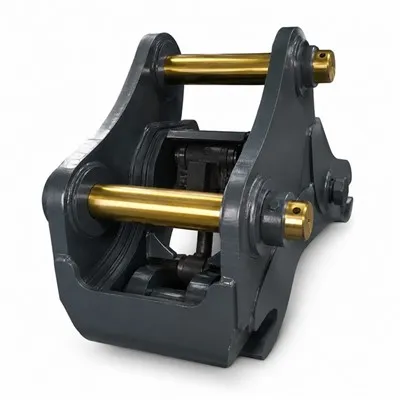
As a supplier of hydraulic compactors, I’ve had the privilege of witnessing firsthand the transformative impact these machines can have on construction projects. Hydraulic compactors are powerful tools designed to enhance soil compaction, ensuring the stability and durability of various structures. In this blog, I’ll delve into the compaction quality control methods for hydraulic compactors, sharing insights based on my years of experience in the industry. Hydraulic Compactor
Understanding the Importance of Compaction Quality Control
Compaction quality control is crucial in construction projects, as it directly affects the performance and longevity of the structures being built. Proper compaction reduces soil settlement, increases bearing capacity, and improves resistance to soil erosion and water infiltration. Inadequate compaction, on the other hand, can lead to a host of problems, including structural damage, pavement cracking, and uneven settlement.
Hydraulic compactors play a vital role in achieving optimal compaction results. These machines use high-energy impacts to densify the soil, making them suitable for a wide range of applications, including road construction, foundation preparation, and landfill compaction. However, to ensure that the compaction meets the required specifications, it’s essential to implement effective quality control measures.
Compaction Quality Control Methods
Pre-Compaction Inspection
Before starting the compaction process, it’s important to conduct a thorough pre-compaction inspection of the site. This includes checking the soil conditions, moisture content, and any existing structures or utilities. Soil testing can provide valuable information about the soil’s properties, such as its particle size distribution, plasticity index, and compaction characteristics. Based on the test results, the appropriate compaction method and equipment can be selected.
Moisture content is another critical factor that affects soil compaction. Optimal moisture content allows the soil particles to move more freely, making it easier to achieve the desired density. If the soil is too dry, it may be necessary to add water to increase the moisture content. Conversely, if the soil is too wet, it may need to be dried or treated to reduce the moisture content.
Compaction Monitoring
During the compaction process, it’s important to monitor the compaction parameters to ensure that they meet the required specifications. This includes measuring the compaction depth, density, and uniformity. Various methods can be used to monitor compaction, depending on the project requirements and the type of soil being compacted.
One common method is the use of nuclear density gauges, which measure the soil density by emitting gamma rays and measuring the amount of radiation absorbed by the soil. This method provides accurate and reliable results, but it requires trained personnel to operate the equipment safely.
Another method is the use of dynamic cone penetrometers (DCP), which measure the soil resistance to penetration. The DCP test involves driving a cone-shaped penetrator into the soil at a constant rate and measuring the depth of penetration. This method is relatively simple and inexpensive, but it provides only a qualitative measure of soil compaction.
In addition to these methods, visual inspection can also be used to monitor compaction. This involves observing the surface of the compacted soil for signs of unevenness, cracks, or other defects. Visual inspection can provide valuable information about the compaction quality, but it is subjective and may not provide a quantitative measure of soil density.
Post-Compaction Testing
After the compaction process is complete, it’s important to conduct post-compaction testing to verify that the compaction meets the required specifications. This includes conducting a final density test and a bearing capacity test.
The final density test is used to measure the soil density at the end of the compaction process. This test can be conducted using a nuclear density gauge or other methods, depending on the project requirements. The results of the final density test are compared to the specified density requirements to determine if the compaction is satisfactory.
The bearing capacity test is used to measure the soil’s ability to support a load. This test involves applying a known load to the soil surface and measuring the settlement. The results of the bearing capacity test are used to determine if the soil has sufficient strength to support the proposed structure.
Quality Assurance and Quality Control (QA/QC) Plans
To ensure that the compaction quality control methods are implemented effectively, it’s important to develop a comprehensive quality assurance and quality control (QA/QC) plan. The QA/QC plan should outline the specific procedures and requirements for pre-compaction inspection, compaction monitoring, post-compaction testing, and documentation.
The QA/QC plan should also include a system for documenting the compaction process and the test results. This documentation is essential for demonstrating compliance with the project specifications and for providing a record of the compaction quality for future reference.
Benefits of Using Our Hydraulic Compactors
As a supplier of hydraulic compactors, we offer a range of high-quality machines that are designed to meet the needs of various construction projects. Our hydraulic compactors are equipped with advanced technology and features that ensure optimal compaction results and improve productivity.
One of the key benefits of using our hydraulic compactors is their high-energy impact. Our machines are capable of delivering powerful impacts, which can significantly increase the soil density and improve the compaction quality. This makes them ideal for compacting a wide range of soils, including cohesive soils, granular soils, and fill materials.
Another benefit of using our hydraulic compactors is their versatility. Our machines can be easily attached to a variety of carriers, such as excavators and skid steers, making them suitable for use in different construction environments. This allows contractors to use a single machine for multiple applications, reducing equipment costs and increasing efficiency.
In addition to their high performance and versatility, our hydraulic compactors are also designed with safety in mind. Our machines are equipped with advanced safety features, such as automatic shut-off systems and protective guards, to ensure the safety of the operators and the surrounding environment.
Conclusion
Compaction quality control is essential in construction projects to ensure the stability and durability of the structures being built. Hydraulic compactors are powerful tools that can help achieve optimal compaction results, but it’s important to implement effective quality control measures to ensure that the compaction meets the required specifications.
As a supplier of hydraulic compactors, we are committed to providing our customers with high-quality machines and comprehensive support services. Our hydraulic compactors are designed to meet the needs of various construction projects, and our team of experts can provide technical assistance and guidance on compaction quality control methods.
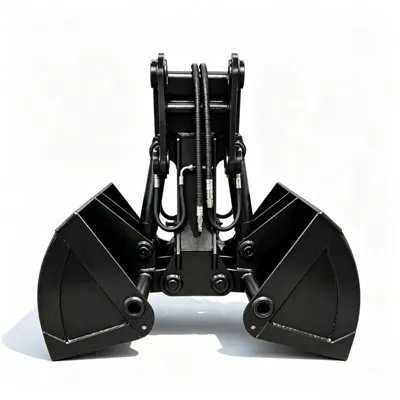
Quick Coupler Hitch If you’re interested in learning more about our hydraulic compactors or discussing your specific compaction needs, please feel free to contact us. We look forward to the opportunity to work with you and help you achieve your construction goals.
References
- ASTM International. (20XX). Standard test methods for laboratory compaction characteristics of soil using击实仪. ASTM D698.
- FHWA. (20XX). Geotechnical engineering circular No. 10: Compaction of soil in earth – retaining structures.
- Manual of Specification for Road and Bridge Works (20XX). Ministry of Transport, [Country].
Hope Precision Machinery Co., Ltd.
As one of the most professional hydraulic compactor manufacturers and suppliers in China, we also support customized service. Please feel free to buy high quality hydraulic compactor for sale here from our factory. For more information, contact us now.
Address: No.8 Shenzhen Street, Development Zone, Yantai,Shandong ,China
E-mail: lulu@hope-breaker.com
WebSite: https://www.hopeequip.com/
